

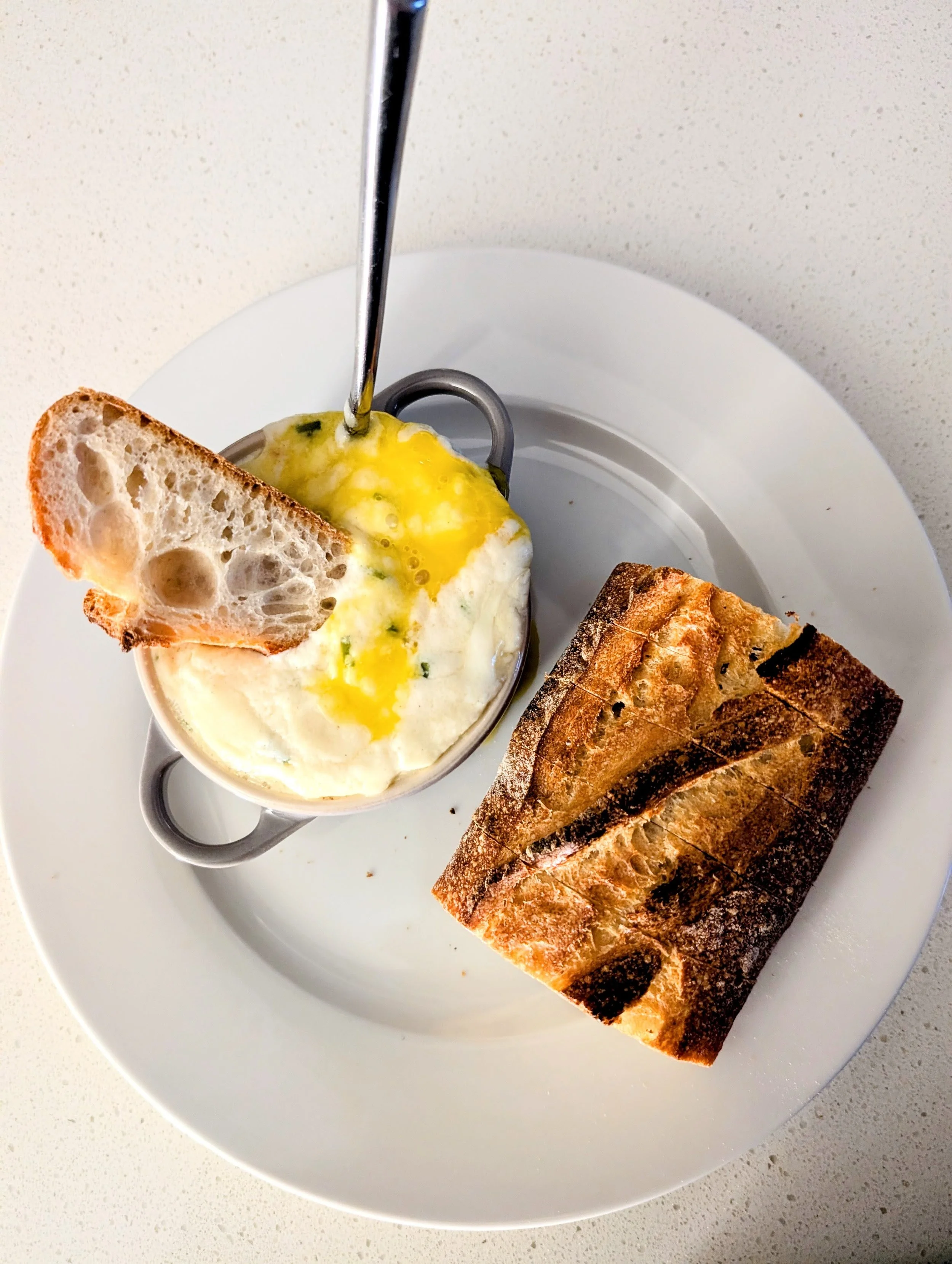
Runny Anglesey Eggs
Runny Anglesey Eggs layer buttery leeks, mashed potatoes and white cheddar sauce with softly baked eggs for a cozy, comforting Welsh-inspired dinner made for dipping with toast or your favorite bread.
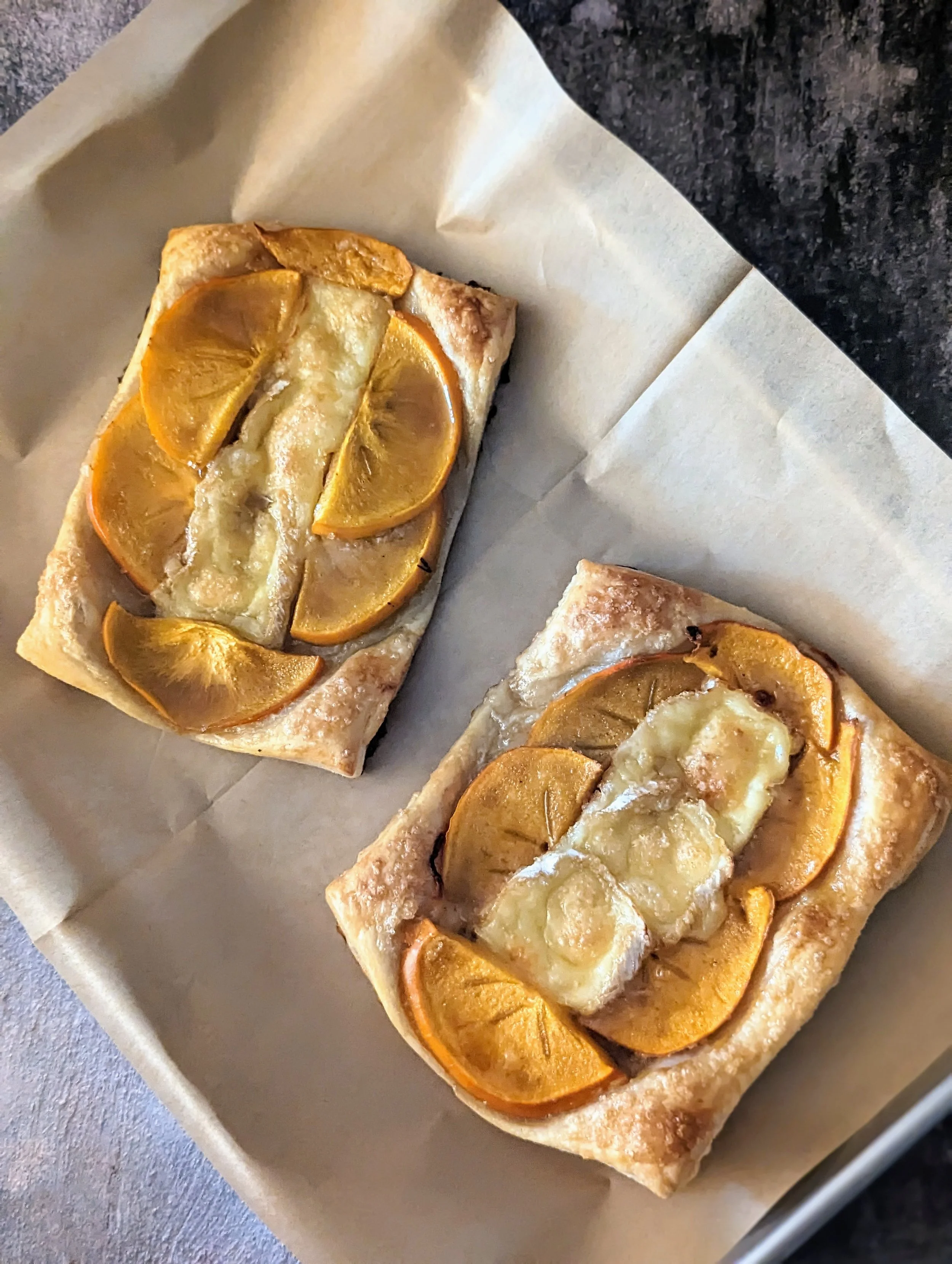
Fuyu Persimmon and Brie Pastries
Made with store-bought puff pastry, ripe Fuyu persimmons, and creamy brie, these simple pastries feel impressive enough for brunch guests but come together with surprisingly little effort or expense.
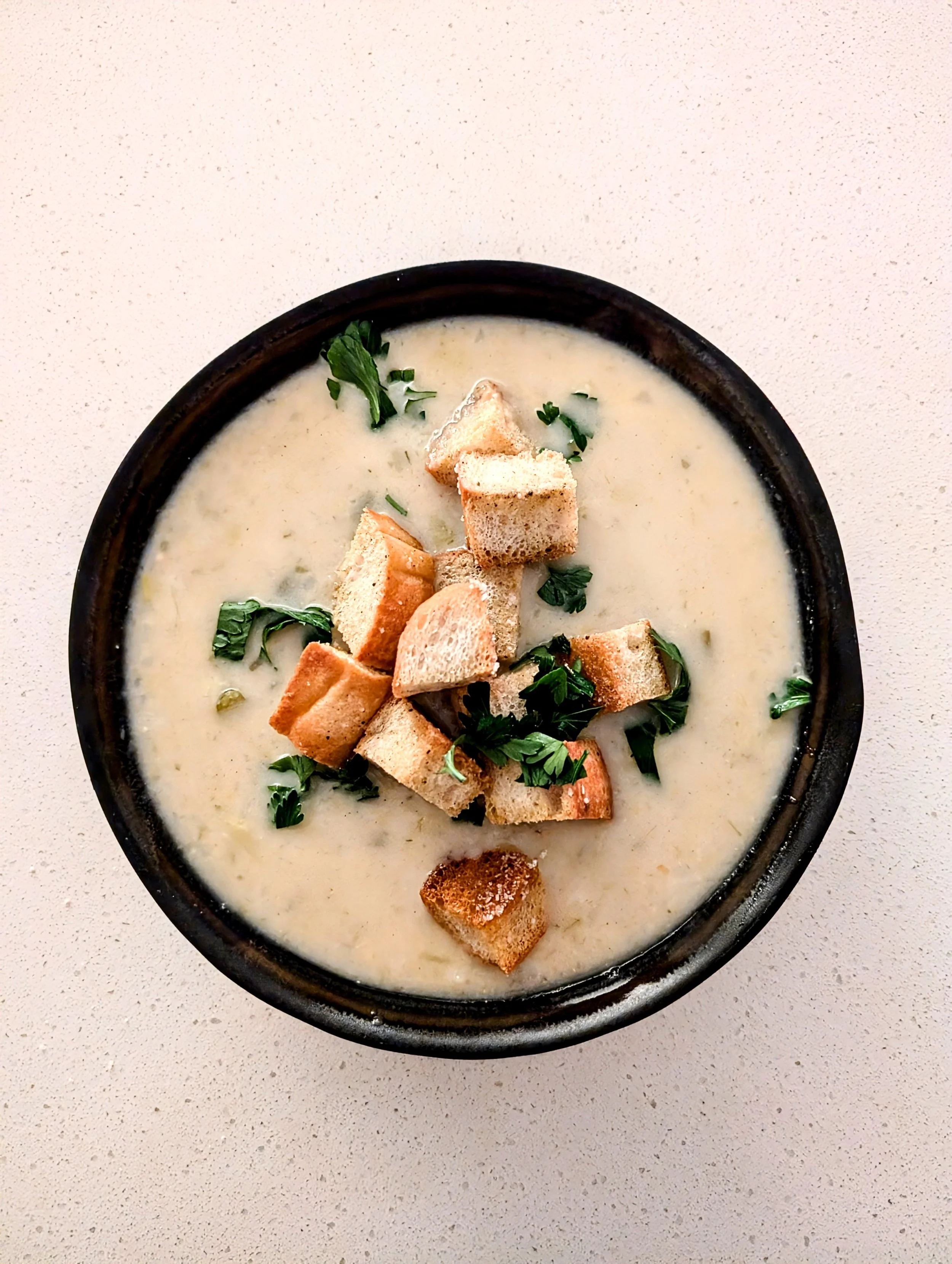
Potage Parmentier
This classic French potato leek soup, adapted from a 1921 issue of American Cookery, turns a handful of inexpensive ingredients into something rich, creamy, and deeply comforting.
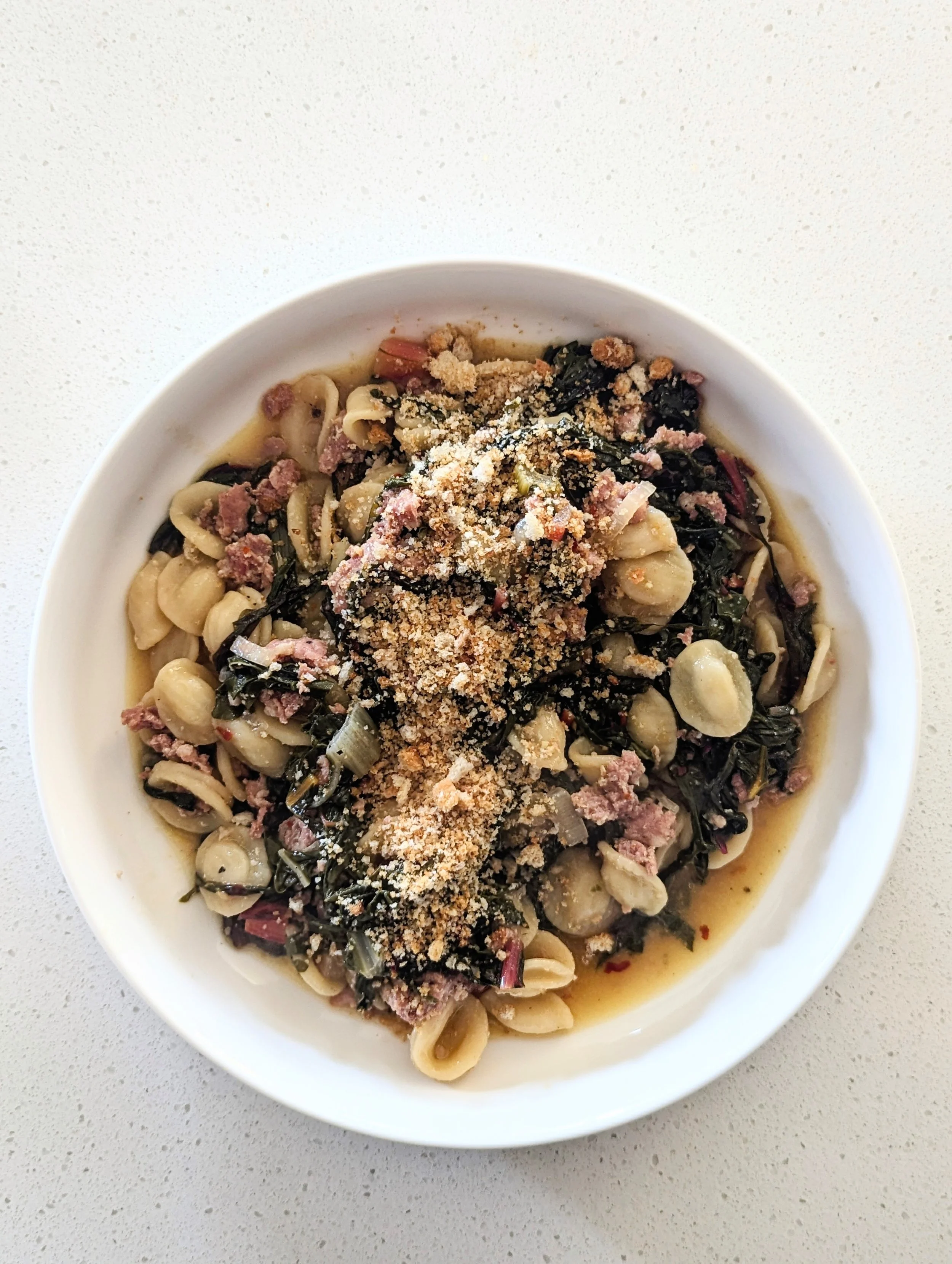
Orecchiette with Swiss Chard and Italian Sausage
This hearty southern Italian pasta combines orecchiette, Italian sausage, Swiss chard, garlic, and toasted breadcrumbs for an easy weeknight dinner that feels rustic, rich, and deeply satisfying.
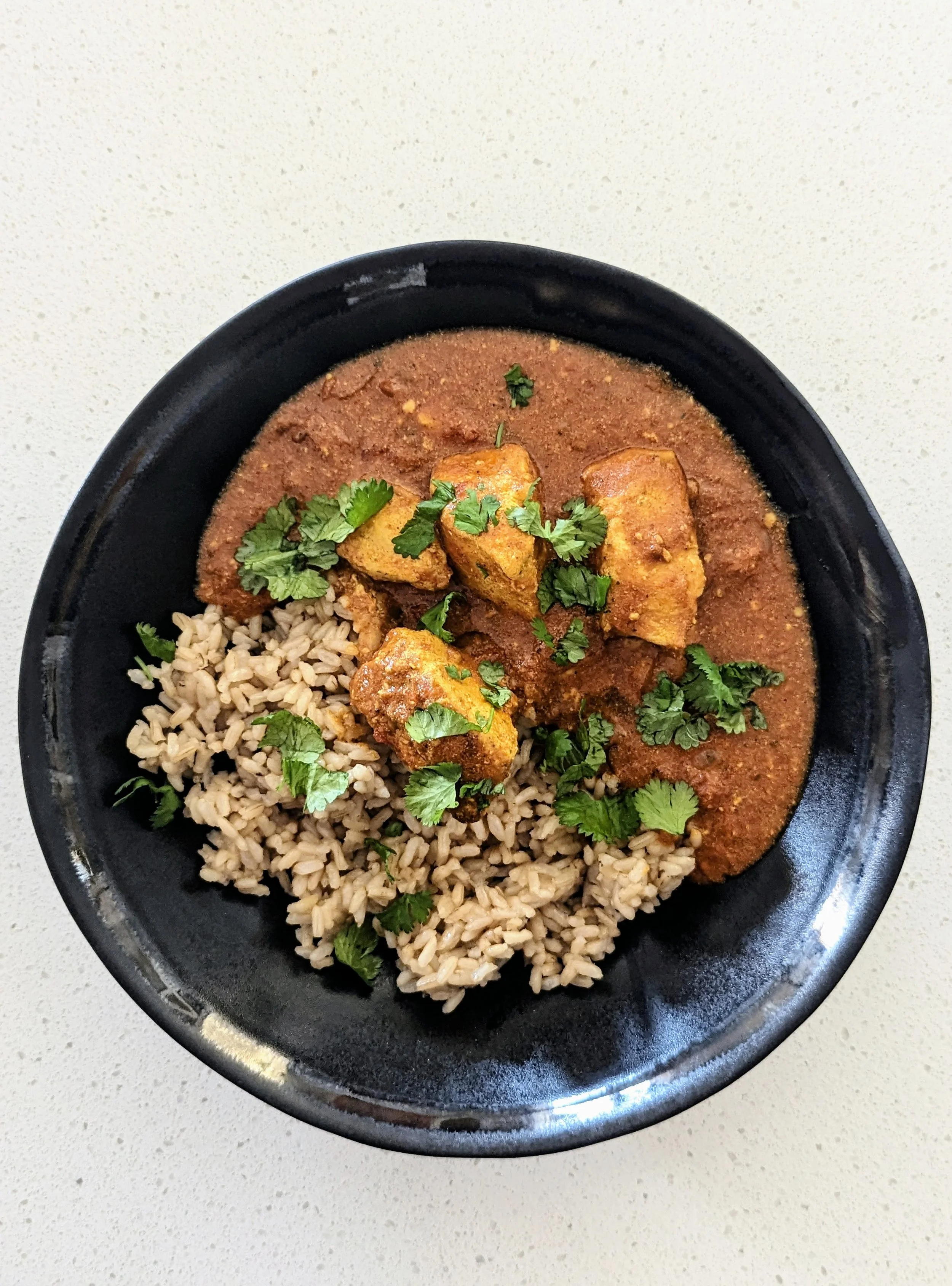
Chicken Tikka Masala with Jalapeño and Cara Cara Orange
Chicken Tikka Masala represents the adaptability of Indian cuisine and its influence beyond borders. It gained popularity through Indian restaurants in the UK in the mid-20th century and became a staple of British curry houses, ultimately achieving a status as a national dish. It symbolizes the multicultural nature of British cuisine, transcending cultural boundaries. Diverse regional variations exist, with different regions adding their unique touch, making it a dynamic and ever-evolving culinary creation.
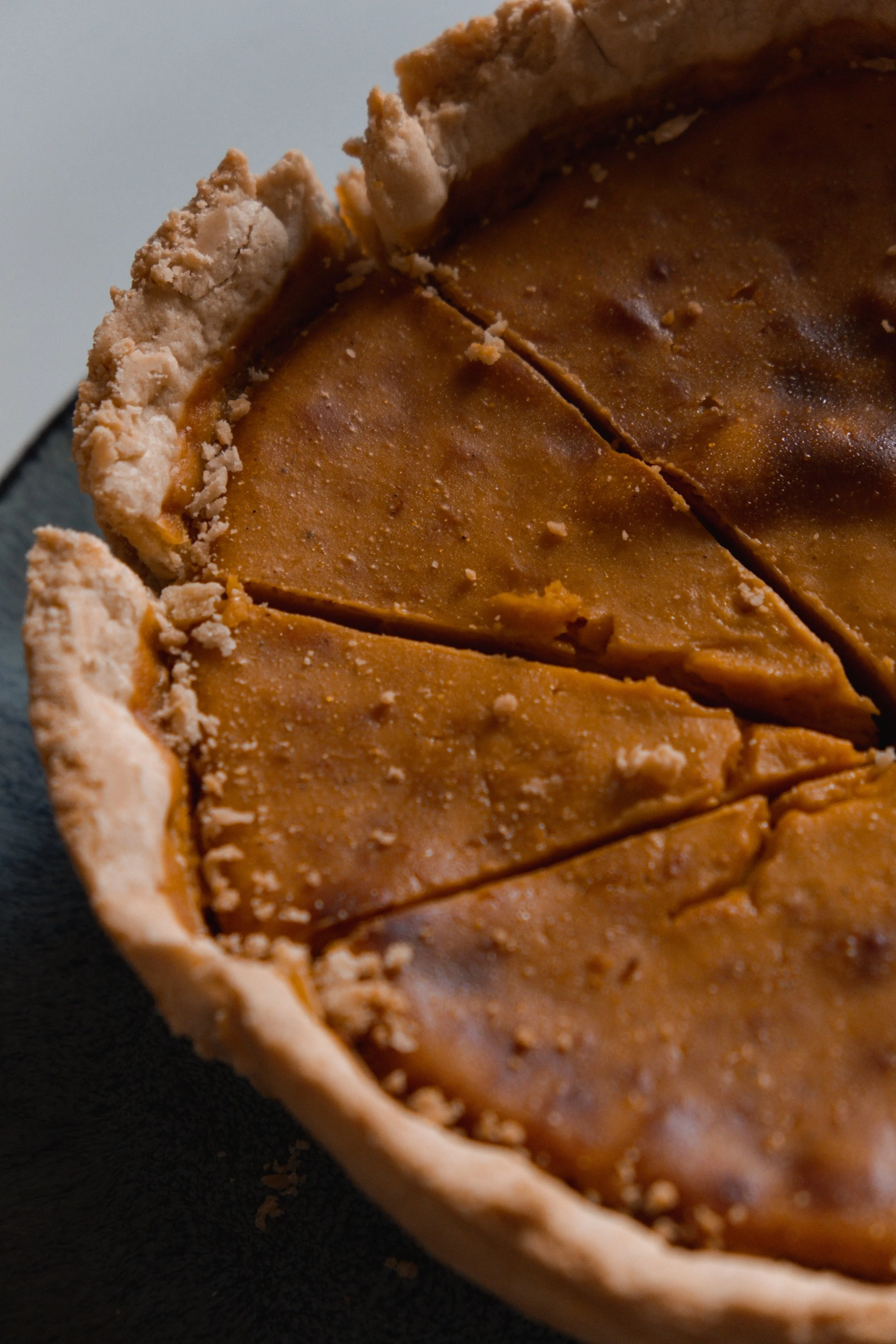
Amelia Simmon's “Pompkin” Pie
In an era when most culinary works leaned heavily on European traditions and techniques, "American Cookery" was a breath of fresh air, emphasizing the unique bounty of the New World. This cookbook served as a testament to the culinary diversity of the United States, incorporating ingredients like corn, cranberries, and, of course, the humble pumpkin, showcasing their versatility in a myriad of delectable recipes.
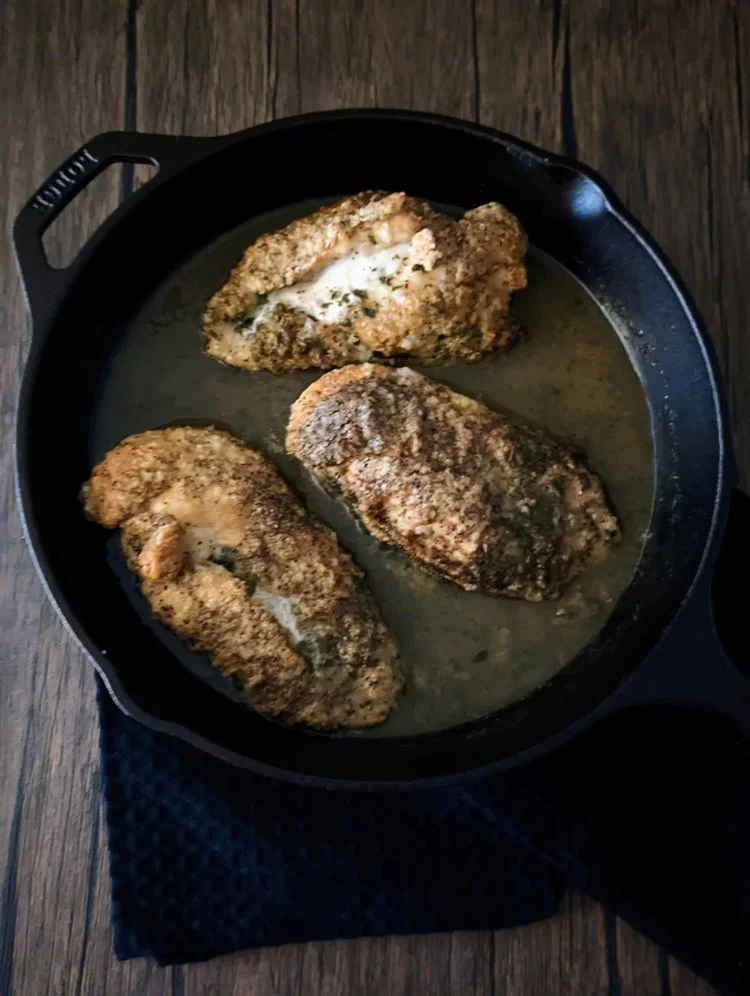
Crispy Parthian Chicken
This ancient Roman chicken recipe from Apicius pairs fried chicken with a wine-and-herb sauce flavored with pepper, lovage, and caraway, offering a glimpse into the Roman Empire and Silk Road trade routes.
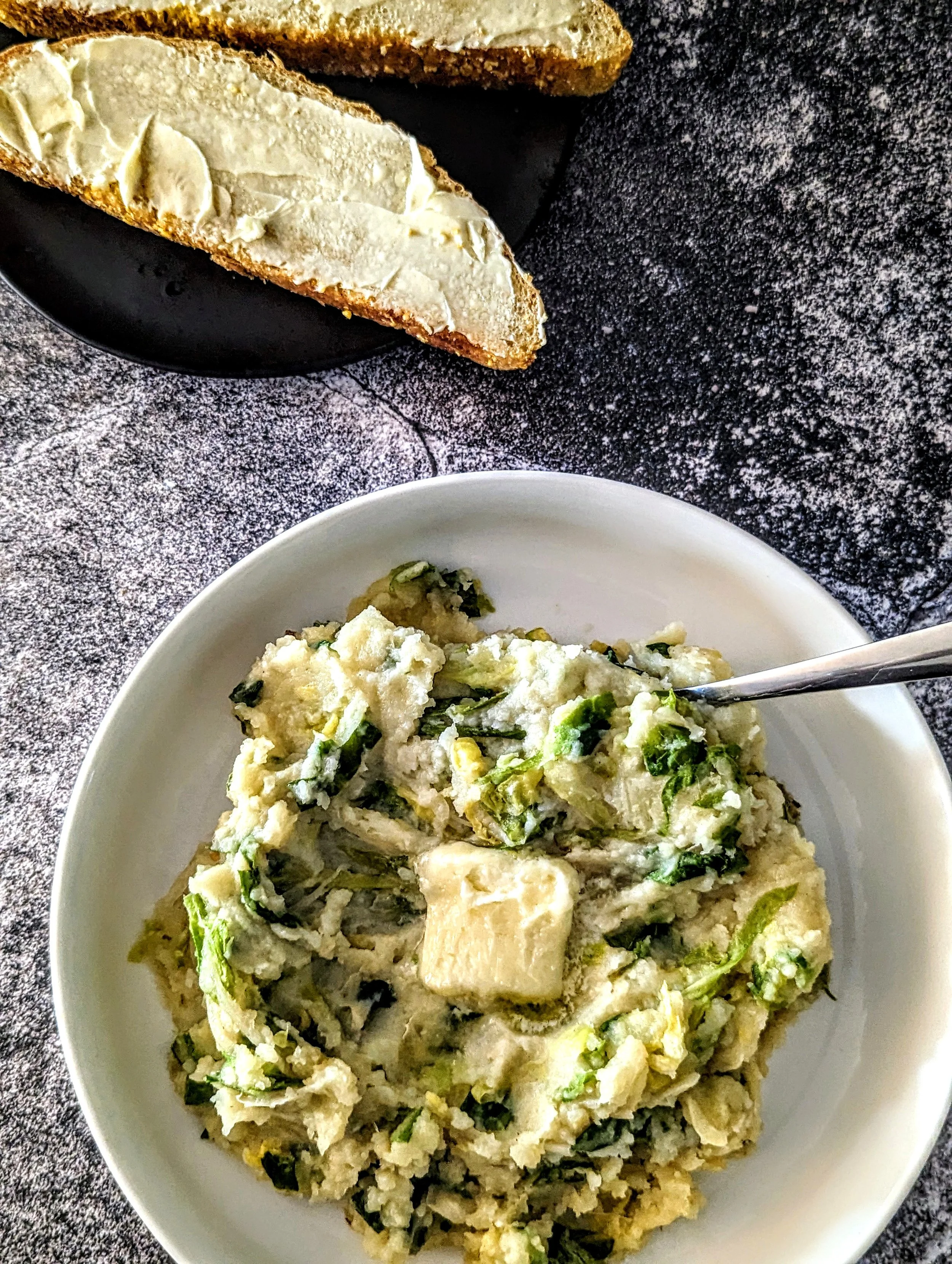
Irish Colcannon
More than a mash, Colcannon is an edible ritual: a mingling of potato and cabbage once used to divine fortunes on Samhain, its warmth carrying the ghosts of harvest and hearth alike.
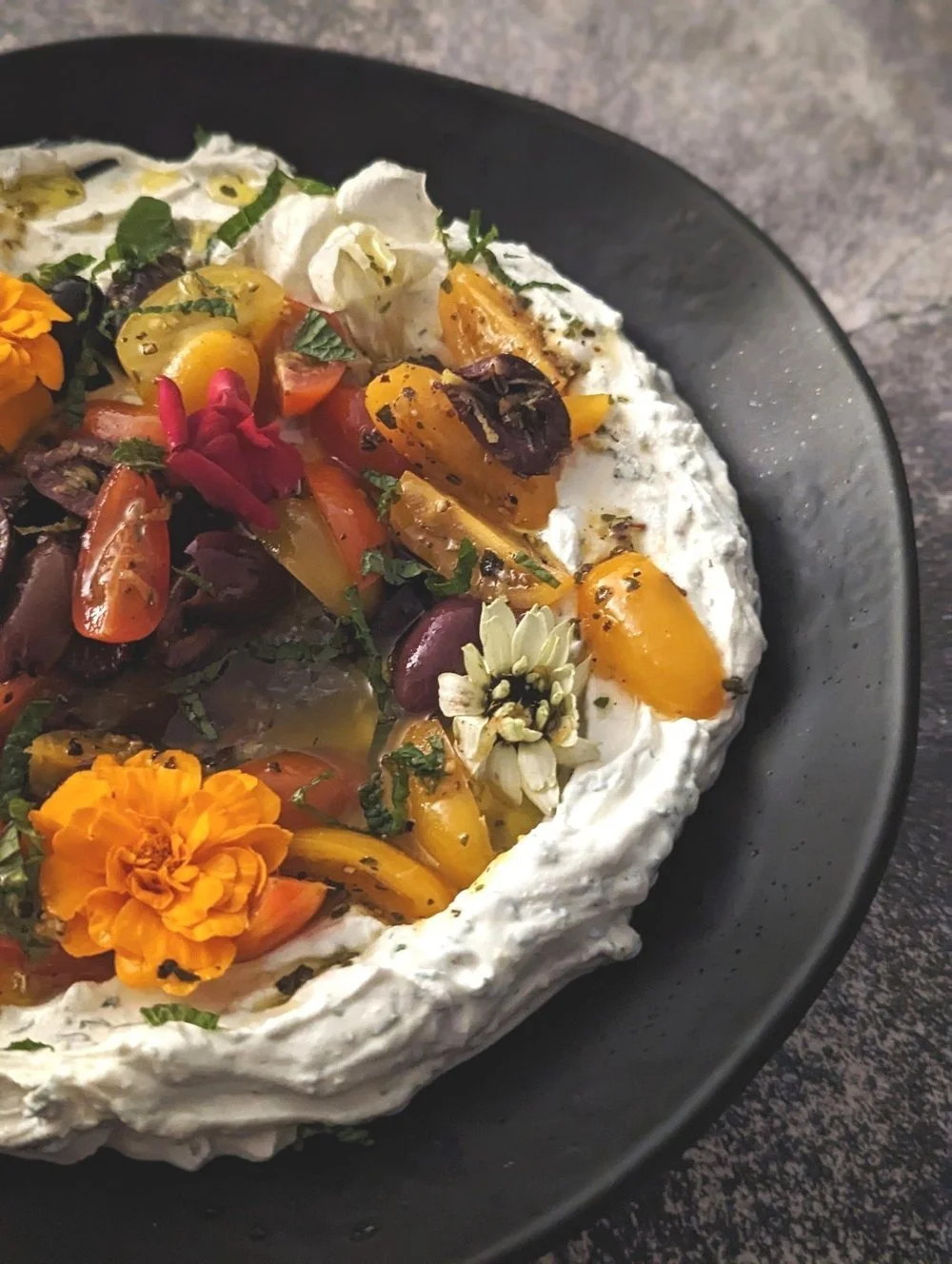
Mint and Thyme Labneh with Marinated Tomatoes
A centuries-old preservation turned centerpiece, labneh takes on the brightness of mint and thyme, anchoring sharp tomato and brined olive in a landscape where salt once stood for survival.
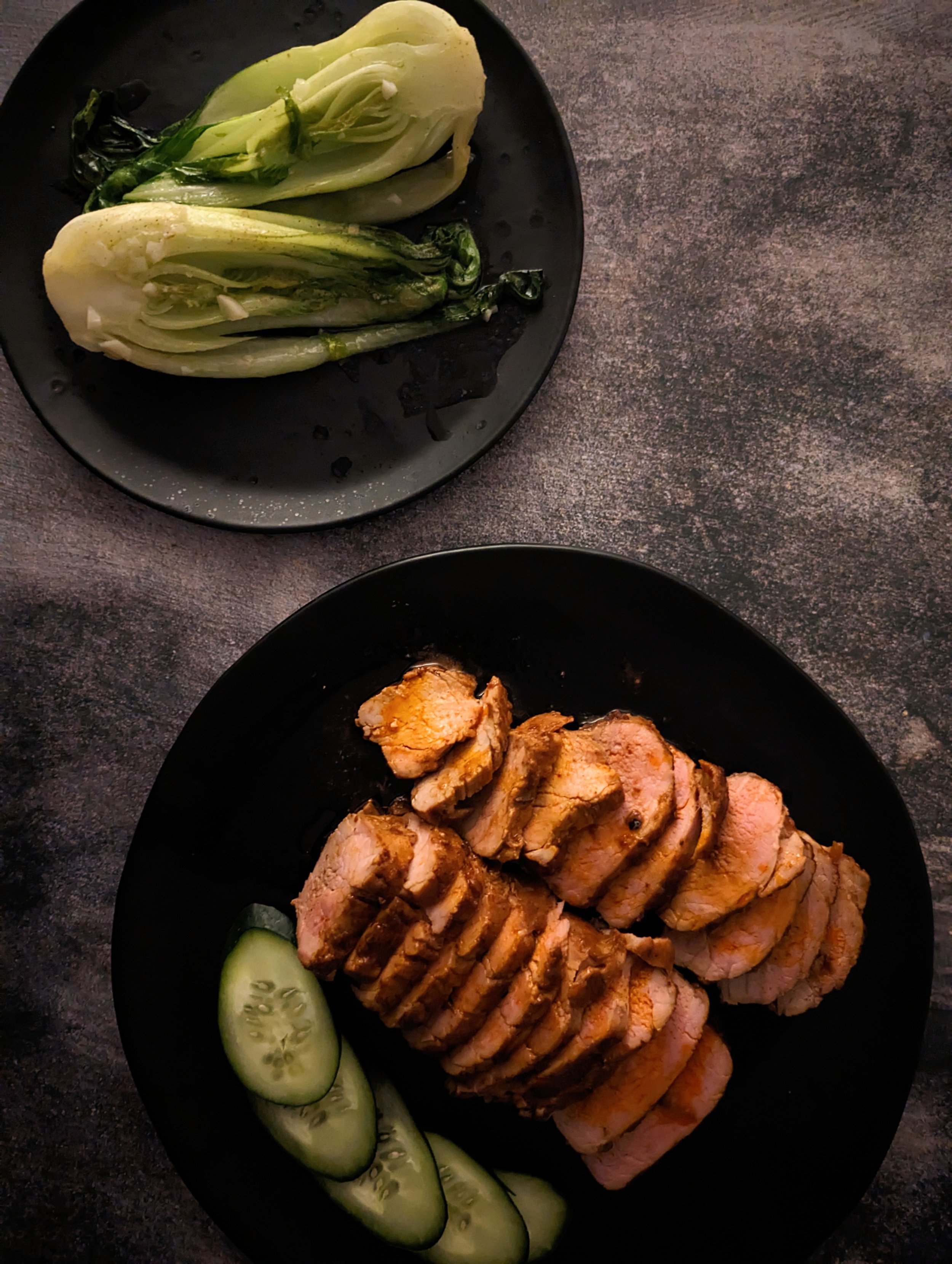
Chili Crisp Pork Loin
Pork, long the pulse of Chinese cookery, meets the crackle of modern heat; this dish bridges the ancestral and the immediate, with chili oil as both homage and rupture.
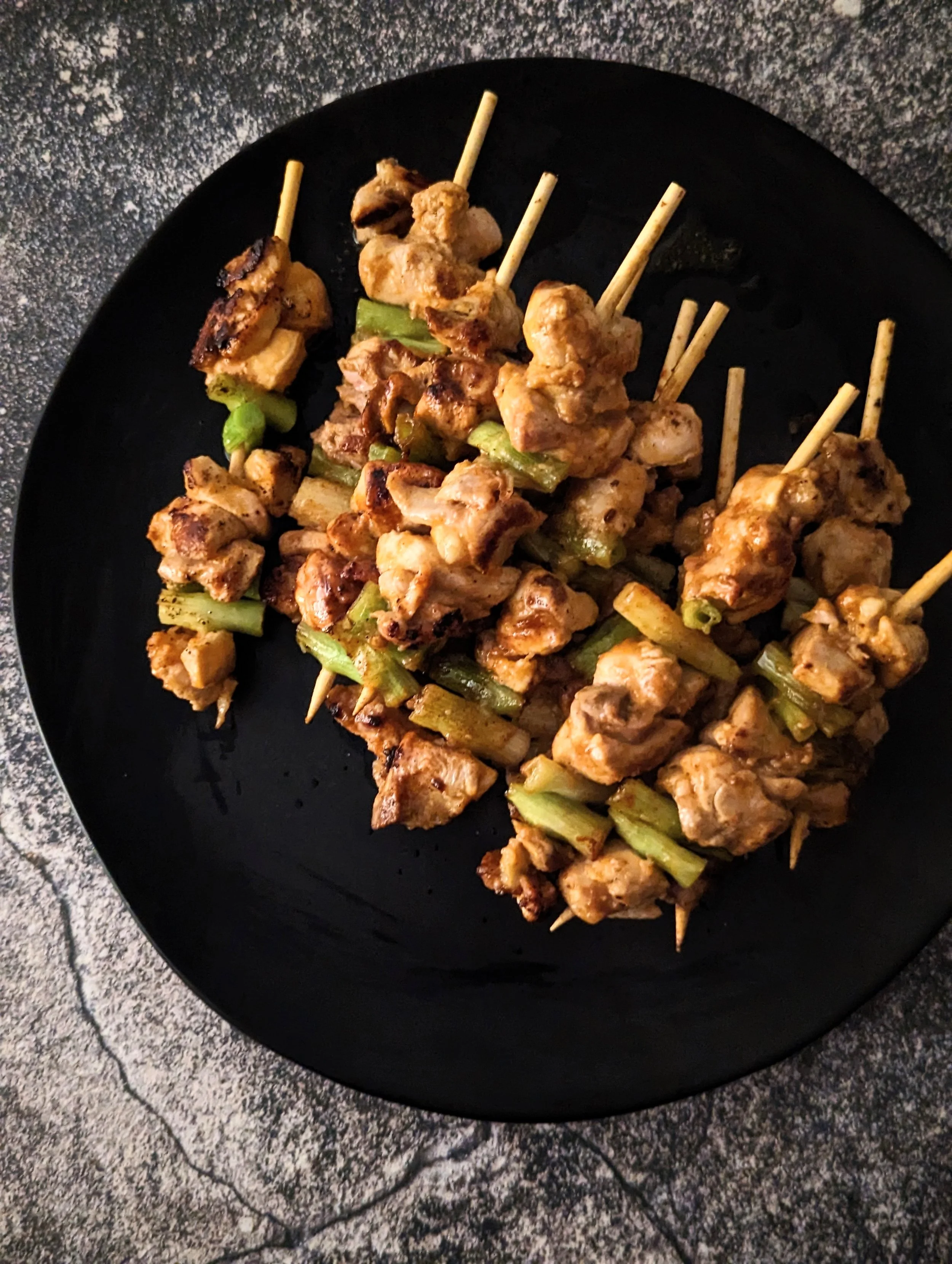
Negima Yakitori
A study in precision, negima pairs chicken thigh and scallion on a skewer—each bite a calibrated contrast of fat and fiber, smoke and salt, repetition and restraint.
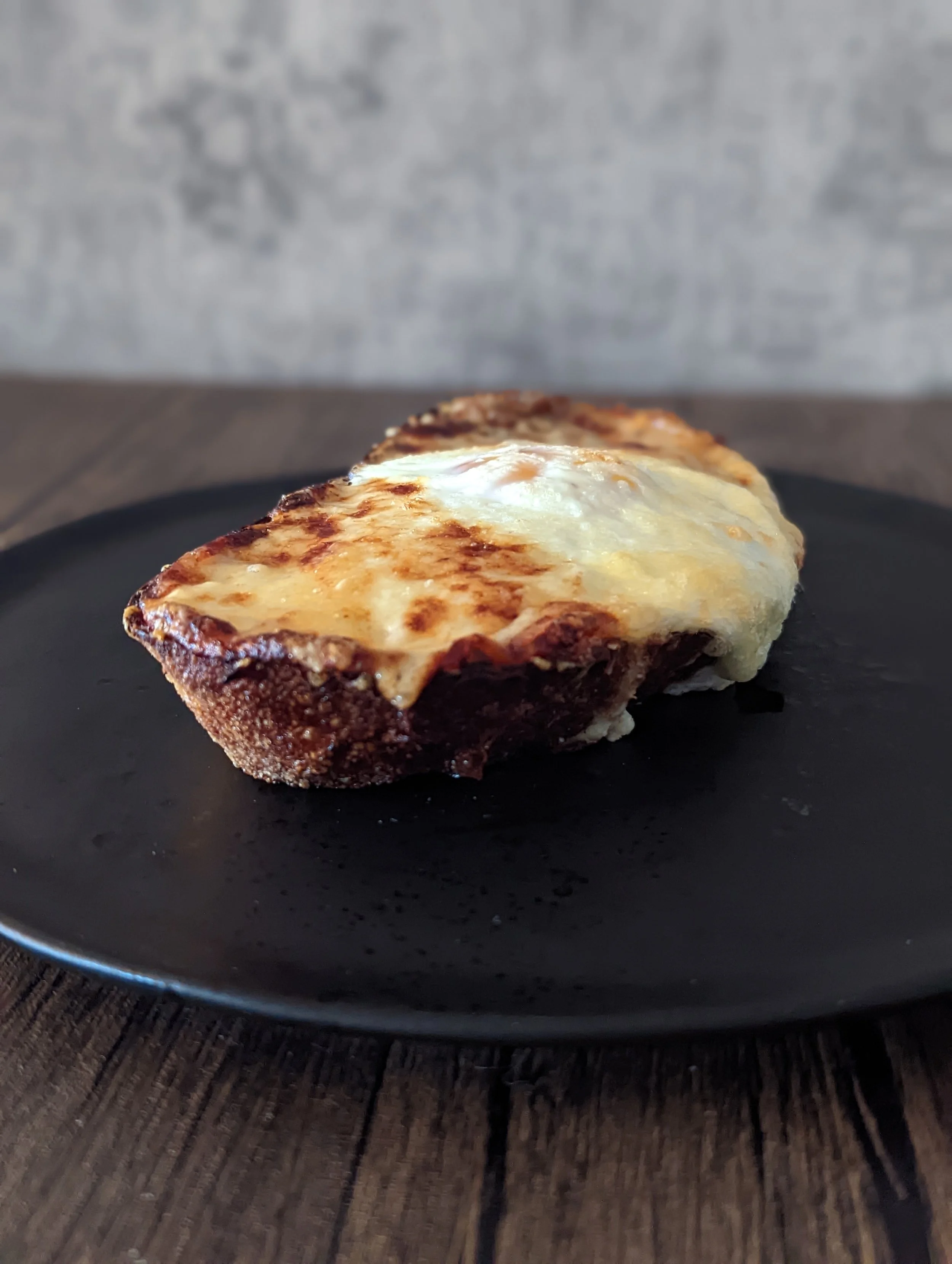
Eggs à La Suisse Toast
Fannie Farmer brought standardization to the American kitchen, but her cookbooks offer more than measurements, they are blueprints for dignity and domestic authorship. This recipe for Eggs à la Suisse Toast is a quiet homage to her 1896 original: simple, exacting, and deeply comforting.
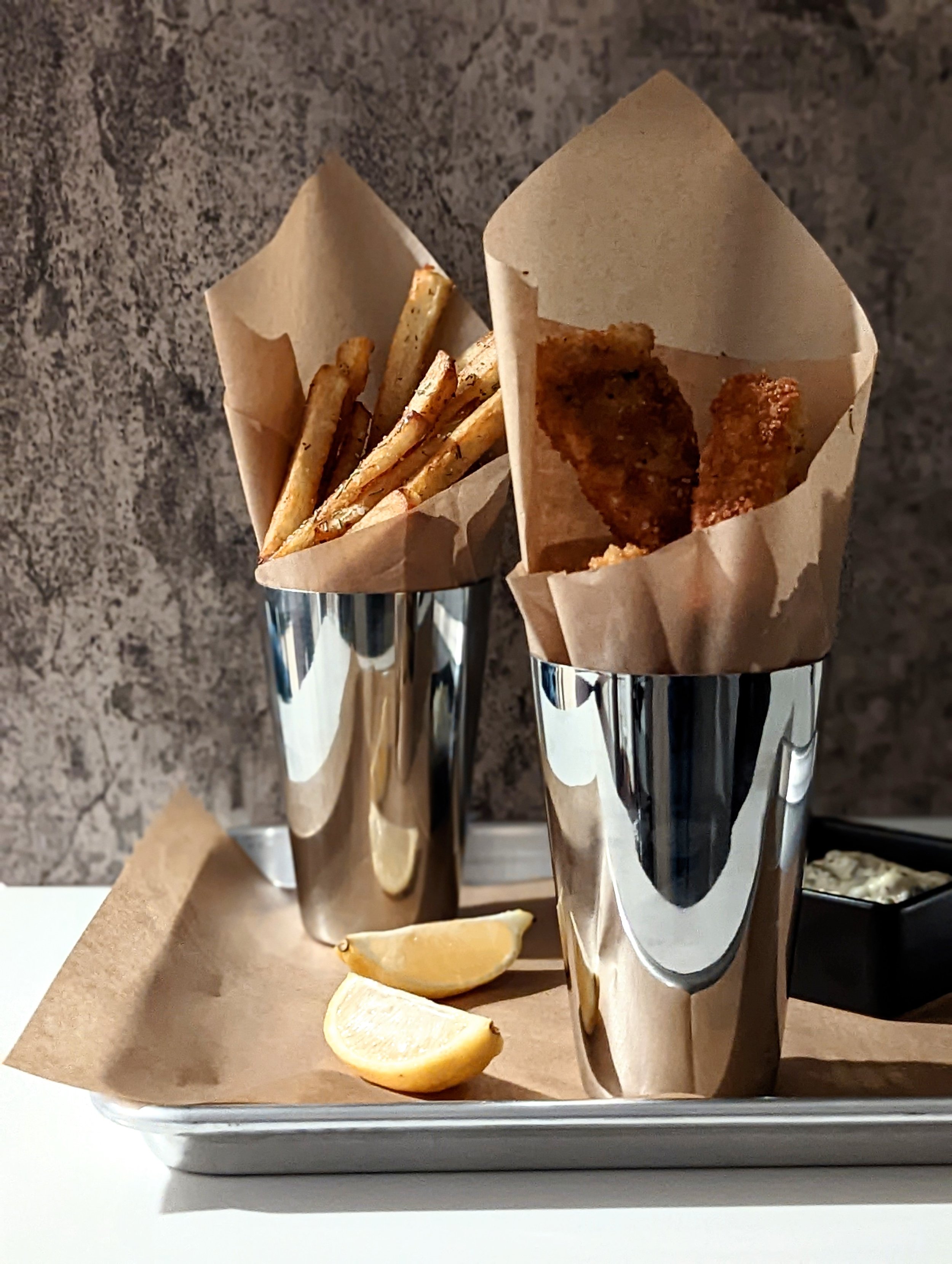
Haddock Goujons and Rosemary Frites
A small fried strip of fish, yes, but the goujon is also a lesson in elegance, timing, and the French art of elevating the ordinary. Its crispness is fleeting, its pleasures deliberate.
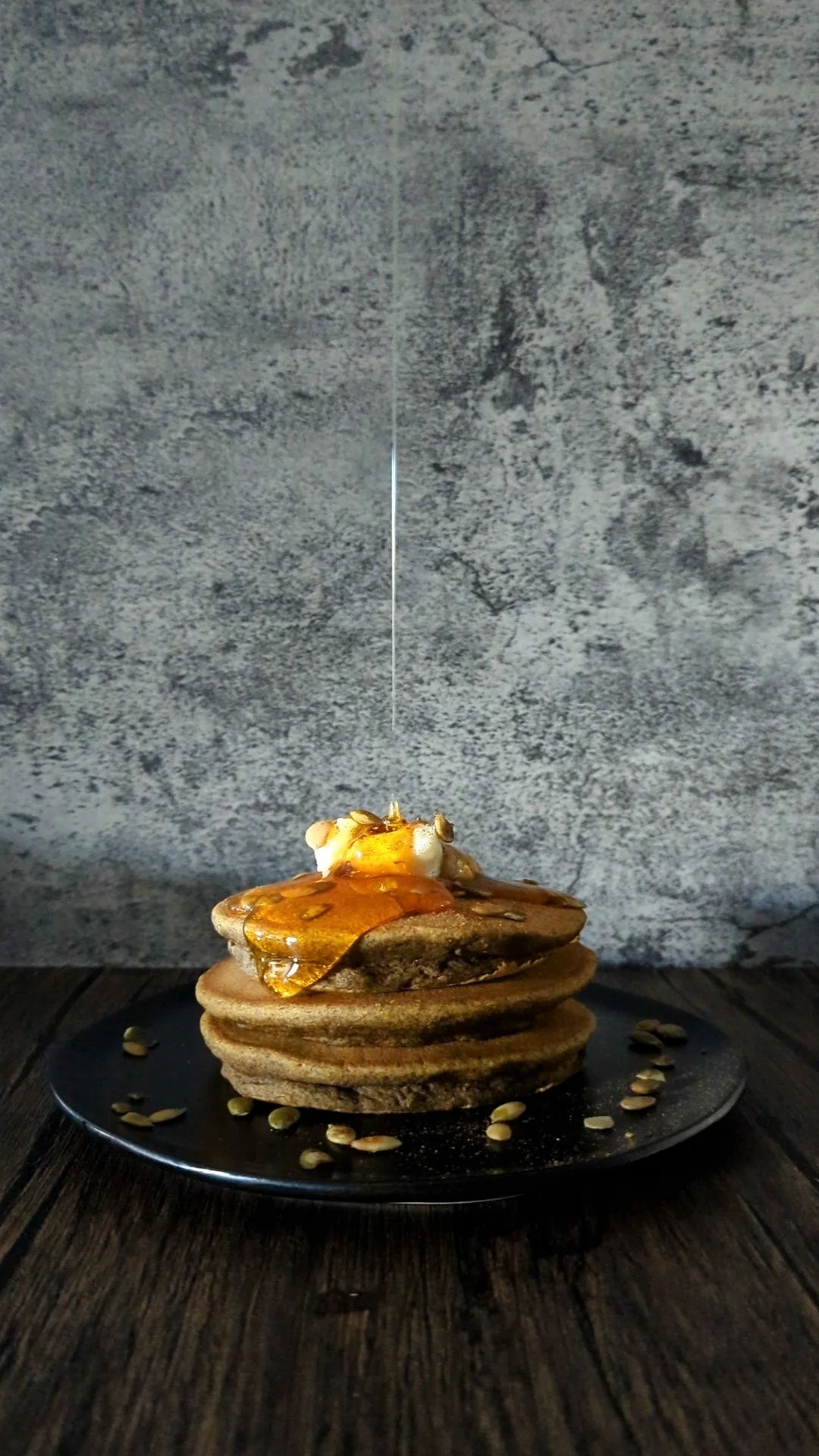
Buckwheat Pumpkin Slapjacks with Treacle
In The Legend of Sleepy Hollow, the true haunting begins not in the woods but at the table, where roasted fowls and pumpkin pie seduce more deeply than any phantom. These buckwheat pumpkin slapjacks with treacle honor that harvest excess, with a whisper of foreboding in every syruped bite.
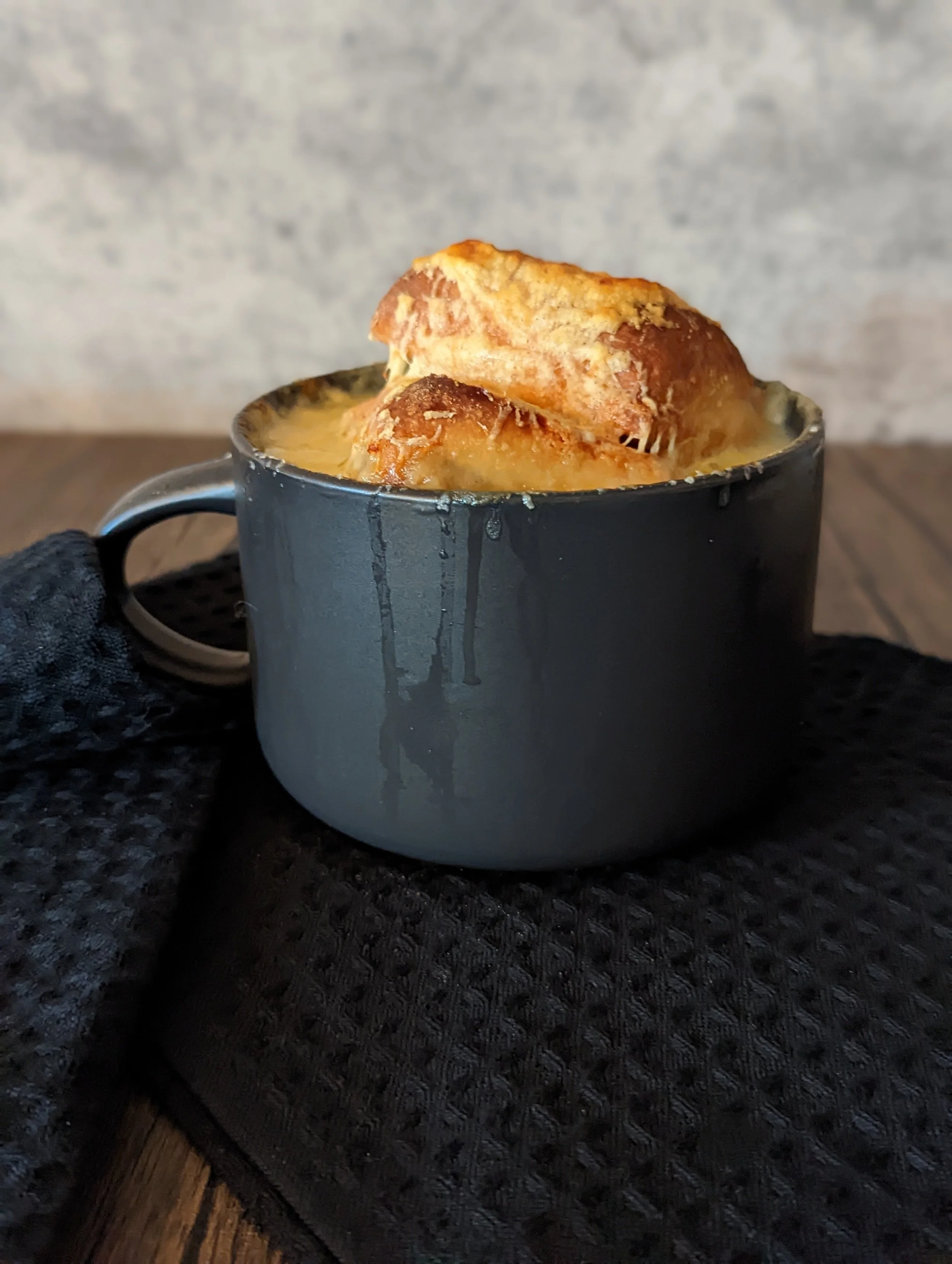
Kartoffelsuppe with Slab Croutons
Dismissed as fit for livestock, the potato needed a king to earn its place on the German table, Frederick the Great, who outmaneuvered skepticism with strategy and showmanship. This Kartoffelsuppe with slab croutons pays tribute to that legacy: humble, hearty, and quietly radical.
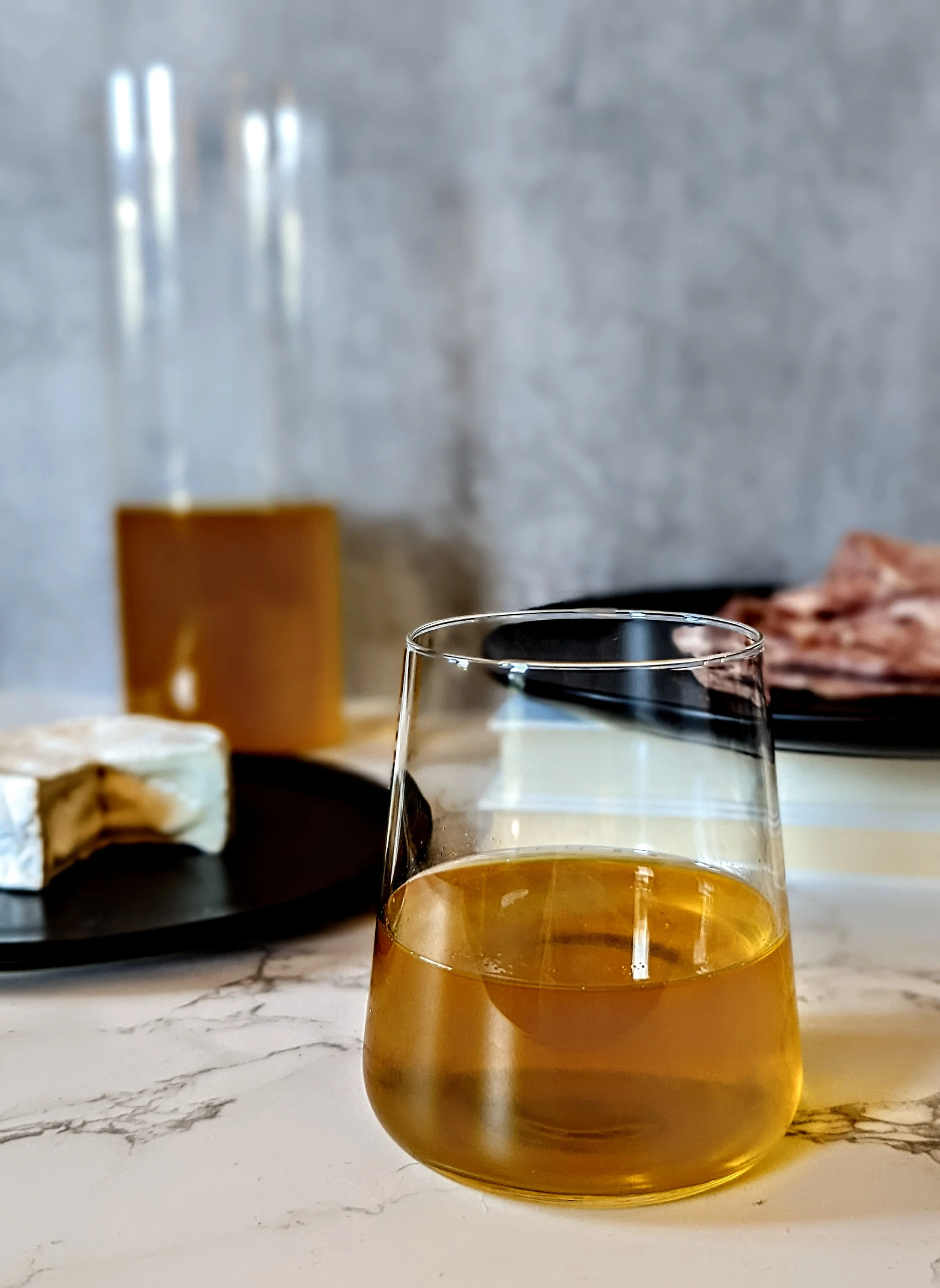
Conditum Paradoxum
A spiced wine with the mystique of a ceremony, Conditum Paradoxum survives from ancient Rome as both recipe and riddle. This modern version softens its edges while preserving the strangeness—bay, mastic, saffron, and a whisper of charcoal stirred into gold.