

Kartoffelsuppe with Slab Croutons
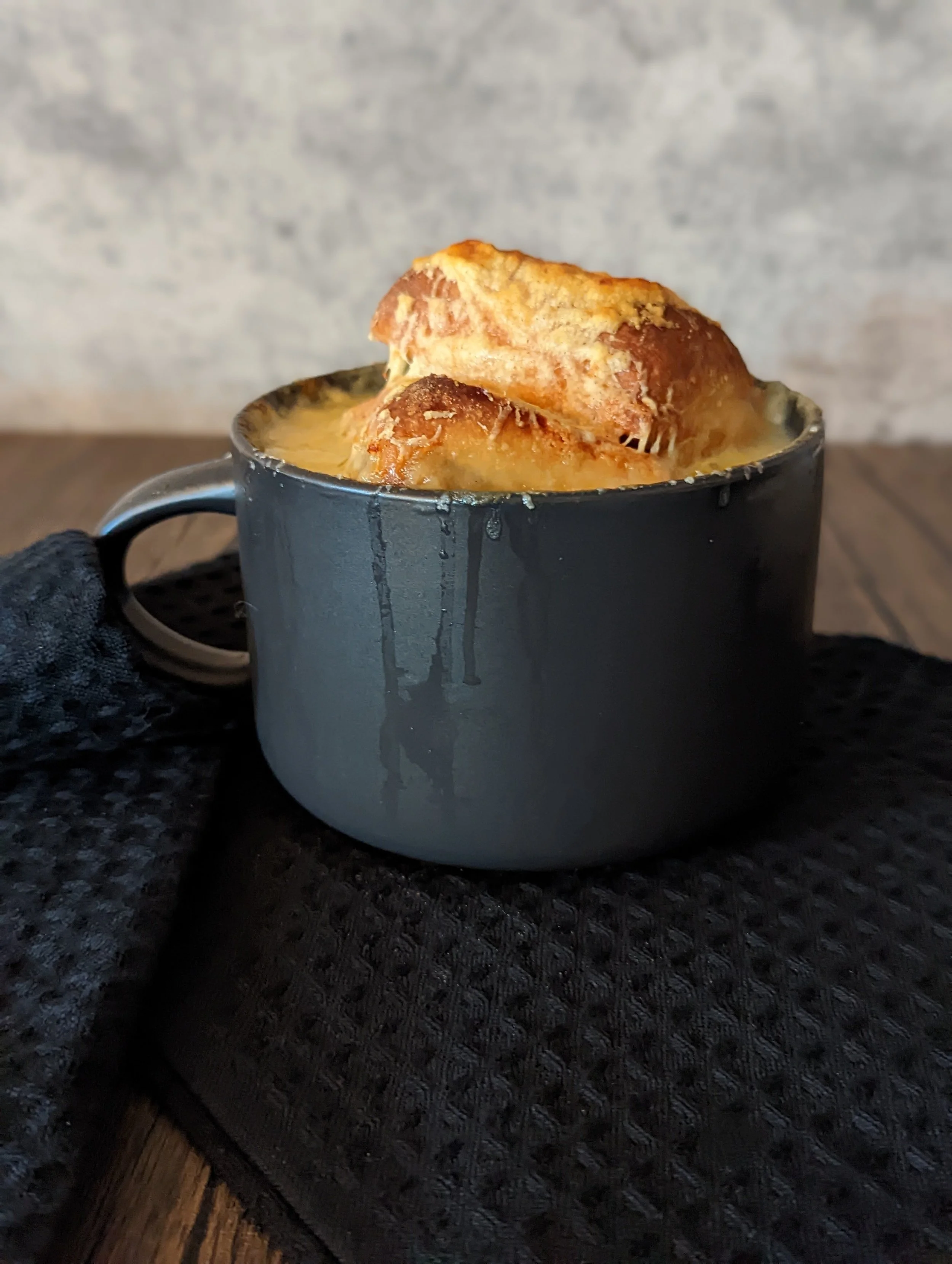
Kartoffelsuppe with slab croutons.
The potato’s ascent in German cuisine was neither inevitable nor organic.
It required war, weather, and the peculiar force of will possessed by an 18th-century monarch known more for military maneuvers than for matters of the kitchen.
That Frederick the Great, King of Prussia, should have become history’s most unlikely potato evangelist speaks to the strange entanglement of agriculture and statecraft, a reminder that what we eat is rarely just about sustenance.
When the potato first arrived in Europe from the Andes, it was met with deep suspicion. Peasants distrusted its subterranean growth and odd appearance. Clergy warned it was not mentioned in the Bible. In much of Germany, it was regarded as fit only for livestock or famine. But Frederick, pragmatic and perpetually engaged in provisioning his troops and his people, saw something else: caloric yield, resilience, and independence from volatile grain markets.
In 1756, with war looming and bread prices surging, he issued orders that potatoes be planted throughout Prussia. Resistance followed. So Frederick tried something more theatrical. He had potato fields planted near Berlin and ordered them to be guarded, ostensibly to protect a valuable royal crop. Naturally, the guards were lax. Naturally, the peasants stole what was so obviously prized. A calculated theft. A reverse psychology of statecraft. The ploy worked.
In time, the potato became not only accepted but adored. It flourished in the sandy soils of northern Germany. It fed soldiers and soothed civilians. In the centuries that followed, it found expression in dumplings, pancakes, stews, and soups. the latter perhaps the most elemental and consoling of all. Kartoffelsuppe, or potato soup, emerged as a kitchen cornerstone: cheap, adaptable, nourishing. It could be made rustic or refined, thickened with cream or sharpened with vinegar, studded with sausage or left spare and pale.
In this version, the soup remains simple, a whisper of shallot, a handful of parmesan, the starch of the potato carrying it all. But to offset that softness, we introduce slab croutons: thick, browned hunks ciabatta, toasted then broiled until their crusts echo.
It is fitting, perhaps, that Frederick was eventually buried near his beloved dogs, with instructions to lay potatoes at his grave. Tourists still do. It is not a joke. It is gratitude. For in elevating the potato, Frederick did not just feed a kingdom. He rewrote the culinary map of Europe, one root at a time.

Frederick the Great (ca. 1888) from the Great Generals series for Allen & Ginter Cigarettes Brands.
Kartoffelsuppe with Slab Croutons
Makes 6 servings
Ingredients
8 medium-sized russet potatoes, scrubbed
4 cloves of garlic
32 ounces of vegetable broth
2 shallots, minced
1 cup of half and half
1/2 cup of sour creeam
4 ounces of parmesan cheese, grated
2 tablespoons chives, chopped
2 tablespoons of parsley, finely chopped
4 ounces of gruyere cheese, grated
6-12 ciabatta rolls
Salt, pepper, olive oil
Directions
Place cleaned potatoes and garlic in a pot and cover with water. Bring to a boil over high heat and let the potatoes cook until tender and they can be pierced with a fork, about 25 minutes.
Preheat the oven to 350 degrees.
Remove the potatoes and garlic from the water and let cool completely.
Once the potatoes and garlic are cool, peel off the potato skins and discard. Roughly mash the potato and garlic. Be sure to completely mash the garlic, but feel free to leave some pieces of potato.
In a medium-sized soup pot over medium-low heat sauté the shallots with a drizzle of olive oil until soft, about 3 minutes. Season with salt and pepper.
Add the potatoes and garlic and slowly pour in the vegetable broth. Season again to taste with salt and pepper.
Turn the heat up to medium, stirring occasionally until heated through.
Meanwhile, cut a thin slice off the top of the ciabatta rolls, exposing the nooks and crannies of the bread. Drizzle with olive oil, sprinkle with salt, and toast in the oven until crispy, about 10-12 minutes. Use 1 large roll per serving, or 2 if they are smaller.
Remove the croutons from the oven and set aside. Turn on the broiler and move your oven rack up.
Add the half and half to the soup, along with the sour cream, parmesan, chives, and parsley. Stir to combine and season to taste with salt and pepper.
Ladle soup into oven-proof bowls or small cocottes and top with the croutons. Sprinkle with gruyere.
Place in the oven under the broiler for 1-2 minutes, monitoring closely to ensure the cheese and bread does not burn.