

A Summer of Small Luxuries
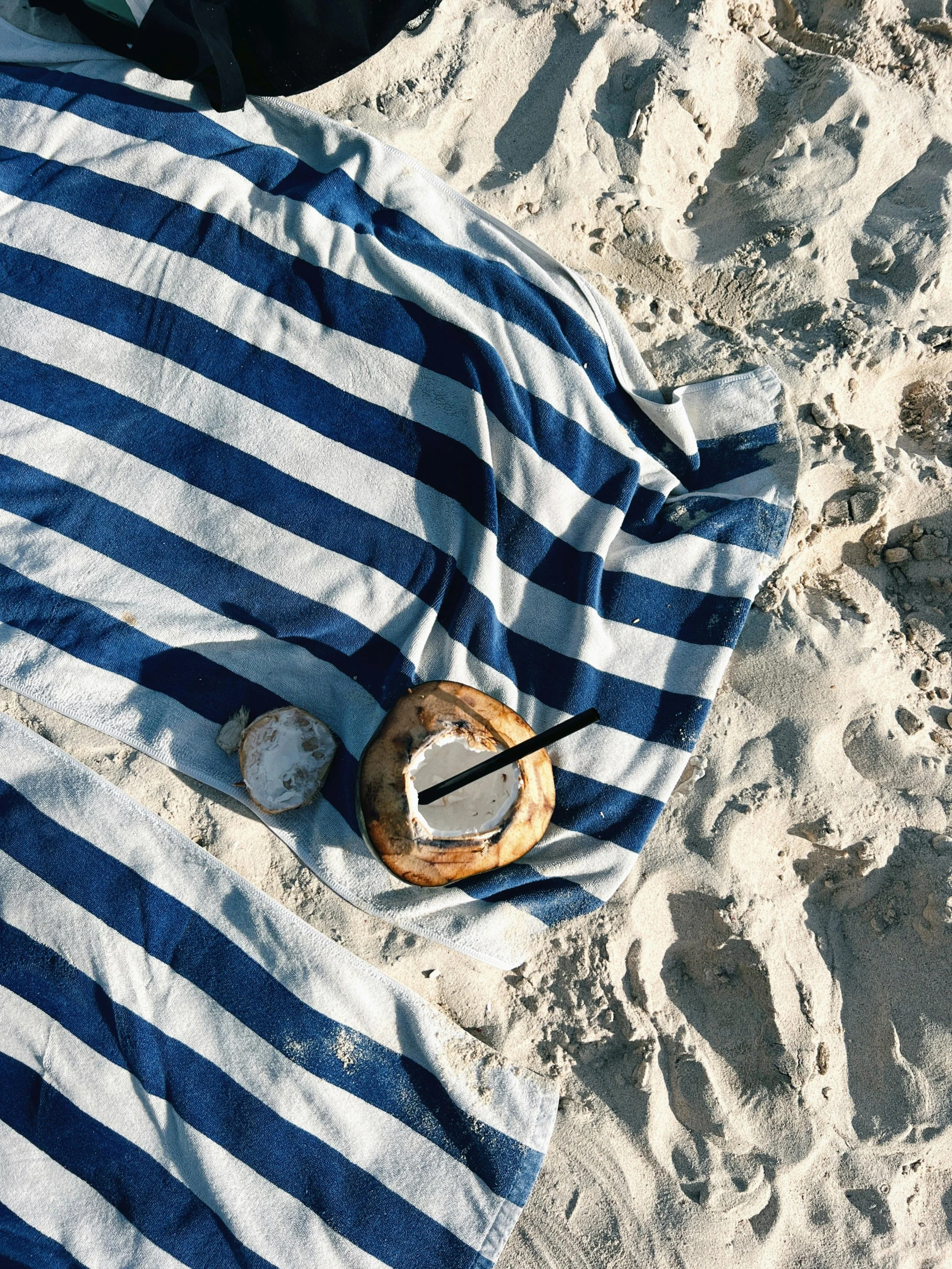
Sandy beach with a striped towel and coconut Maria Burnay.
There is perhaps no season more generous than summer.
Even now, in years shaped by rising grocery bills, shrinking attention spans, and the peculiar exhaustion of modern life, summer continues to offer small luxuries almost recklessly. Tomatoes soften and split under their own sweetness. Basil grows with such enthusiasm it borders on arrogance. A bowl of chilled peaches can feel improbably decadent for less than the cost of a happy hour cocktail. Dinner becomes less about labor than assembly: soft cheese, salted butter, torn bread, sliced fruit sweating gently on a plate beside a cold drink.
For a brief stretch of the year, abundance becomes available in ordinary places.
Luxury, in its modern form, is often sold as distance from daily life: resort escapes, expensive reservations, curated routines optimized within an inch of their humanity. But summer’s older luxuries are humbler and far more attainable. (See: The Lost Art of the Cheap Summer.) They arrive in the form of a cold fan at night. Supermarket flowers divided into tiny jars throughout the house. Lemon wedges pressed into sparkling water. A patio tomato plant producing exactly three tomatoes, all of which somehow taste miraculous.
Maybe this is why summer nostalgia clings so stubbornly to the imagination. The slap of screen doors. Ice cracking into glasses. The smell of sunscreen and cut grass drifting through open windows. A tomato sandwich eaten standing over the sink because waiting for a plate feels unnecessary.
This is the luxury of noticing. And in difficult or uncertain times, that distinction matters more and more.
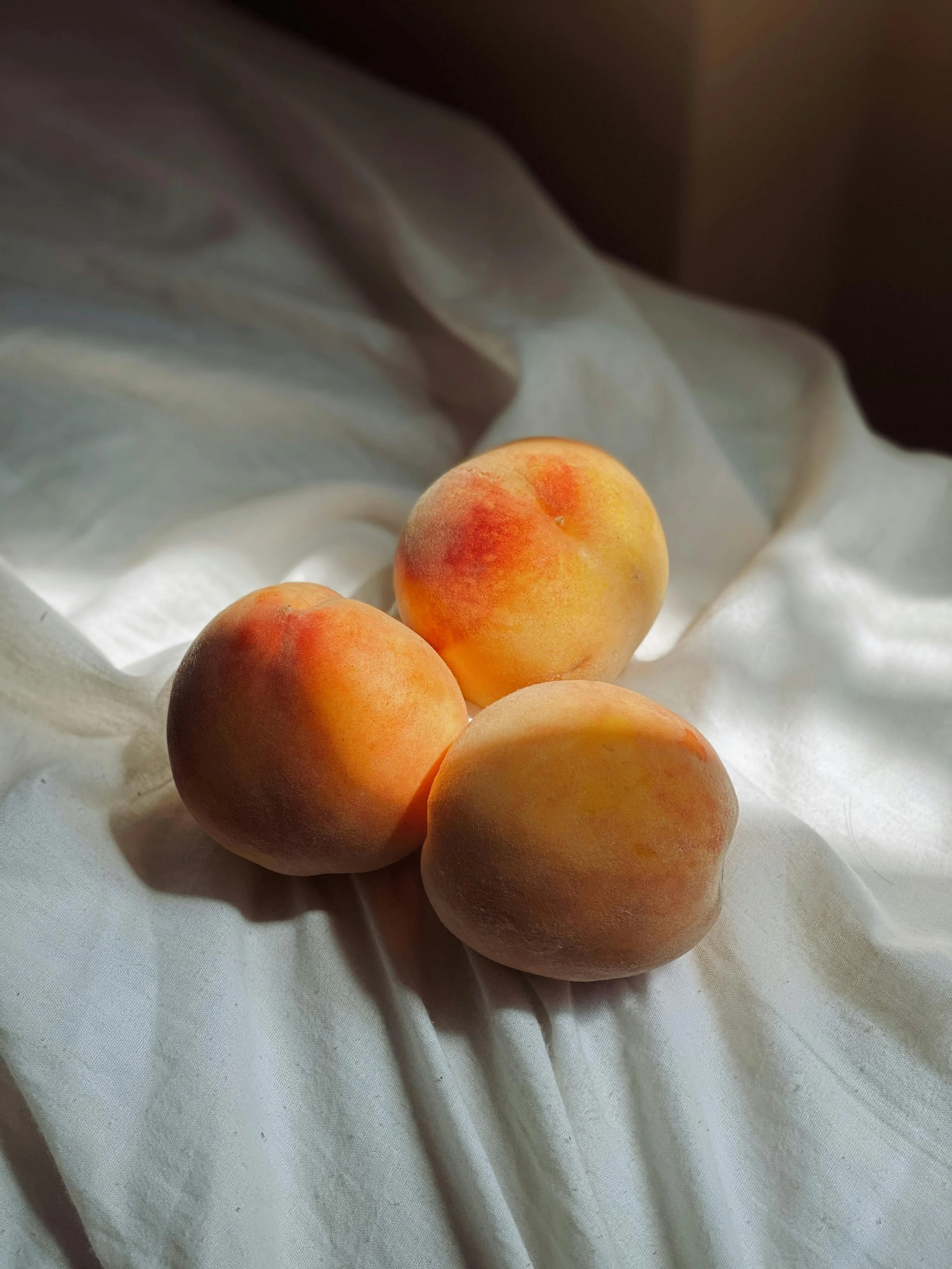
Ripe peaches by Sofi Aditami.
Stone Fruit & Summer Tomatoes
Summer’s greatest luxury may still be fruit bought at exactly the right moment. Not imported strawberries in January or perfectly waxed apples in October, but the brief, messy glut of things that only truly make sense in heat: peaches bruising softly in paper bags, nectarines dripping down wrists, tomatoes splitting open on kitchen counters because they were left in the sun a little too long. These foods do not travel especially well, nor do they keep for very long, which is precisely what makes them feel precious.
Even now, when grocery prices seem to rise with the temperature, summer produce remains one of the few places where extravagance can still feel relatively accessible. Cherries may become too expensive to buy by the bagful this year, drifting into occasional-treat territory, but plums remain gloriously underrated. Apricots, too. Peaches bought slightly imperfect and left to soften for a day or two on the counter often become better than the expensive ones displayed like jewelry under supermarket mist.
And then there are tomatoes.
Not the pale, refrigerated discs of winter, but true summer tomatoes: irregular, fragrant, almost embarrassingly alive. The kind that require little more than flaky salt and perhaps a swipe of mayonnaise on white bread. The kind eaten standing barefoot in the kitchen because the first bite makes sitting down feel unnecessary.
There is a particular kind of wealth in buying produce at its peak rather than fighting the calendar for it year-round. Summer briefly collapses the distance between the ordinary and the luxurious. A chilled peach eaten over the sink can feel as indulgent as dessert. A bowl of sliced tomatoes with olive oil and basil can become dinner entirely.
For a few fleeting months, nature does most of the work for us.
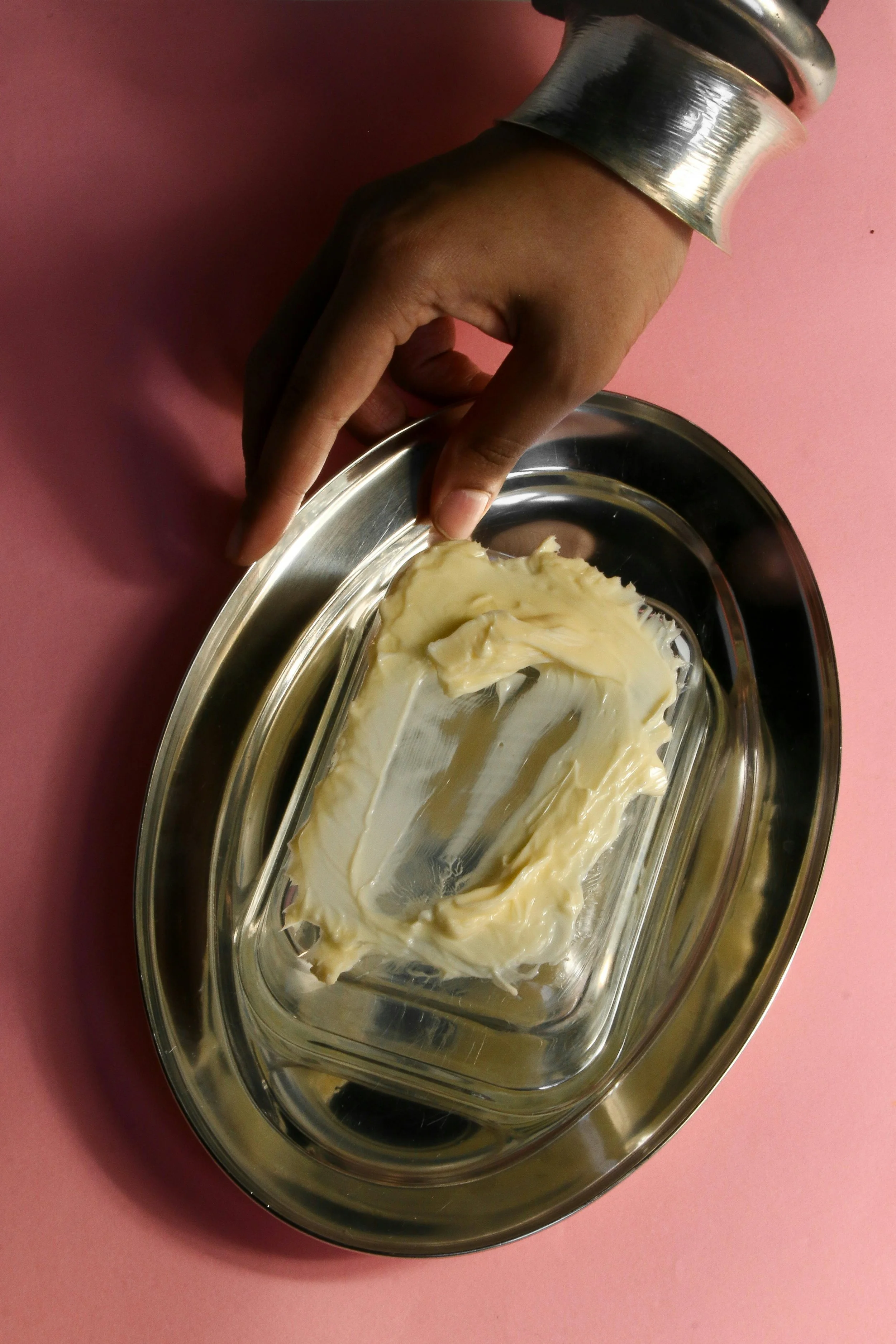
Butter on a steel plate.
The Cheapest Way to Make Dinner Taste Expensive
Few ingredients carry themselves with more confidence than butter.
Butter does not ask much of us. It waits patiently in the refrigerator door, reliable and unglamorous, until summer arrives and suddenly even the smallest adjustment begins to feel transformative. A little lemon zest folded into softened butter can make inexpensive roast chicken taste restaurant-worthy. Garlic and herbs stirred into a stick of salted butter can turn white beans into dinner. Honey butter on toast eaten near an open window somehow becomes its own occasion.
Compound butter sounds far grander than it is. In practice, it is simply softened butter mixed with flavorful things and returned to the refrigerator before being smeared generously onto nearly everything.
The technique is wonderfully forgiving: leave one stick of butter on the counter until soft, mash in your chosen additions with a fork, then spoon onto parchment paper or plastic wrap and roll into a log. Refrigerate until firm and slice off coins as needed. It keeps beautifully for days and makes even modest meals feel considered.
A few combinations worth keeping in rotation through the hotter months:
Lemon zest, black pepper, and parsley for grilled vegetables or fish
Roasted garlic and thyme for chicken thighs or butter beans
Honey and flaky salt for toast or cornbread
Basil and parmesan for tomatoes, pasta, or white beans
Smoked paprika and lime zest for corn or pork tenderloin
Anchovy, garlic, and chili flakes melted over roasted vegetables
Chopped olives and oregano for warm bread or simple chicken
Lavender and lemon zest for scones, shortbread, or soft breakfast toast
There is also something reassuringly old-fashioned about compound butter. It belongs to a category of domestic luxury that relies more on attention than expense. A freezer stocked with labeled rolls of herb butter feels strangely abundant, even when the refrigerator itself is otherwise sparse.
And in summer especially, abundance often arrives one small spoonful at a time.
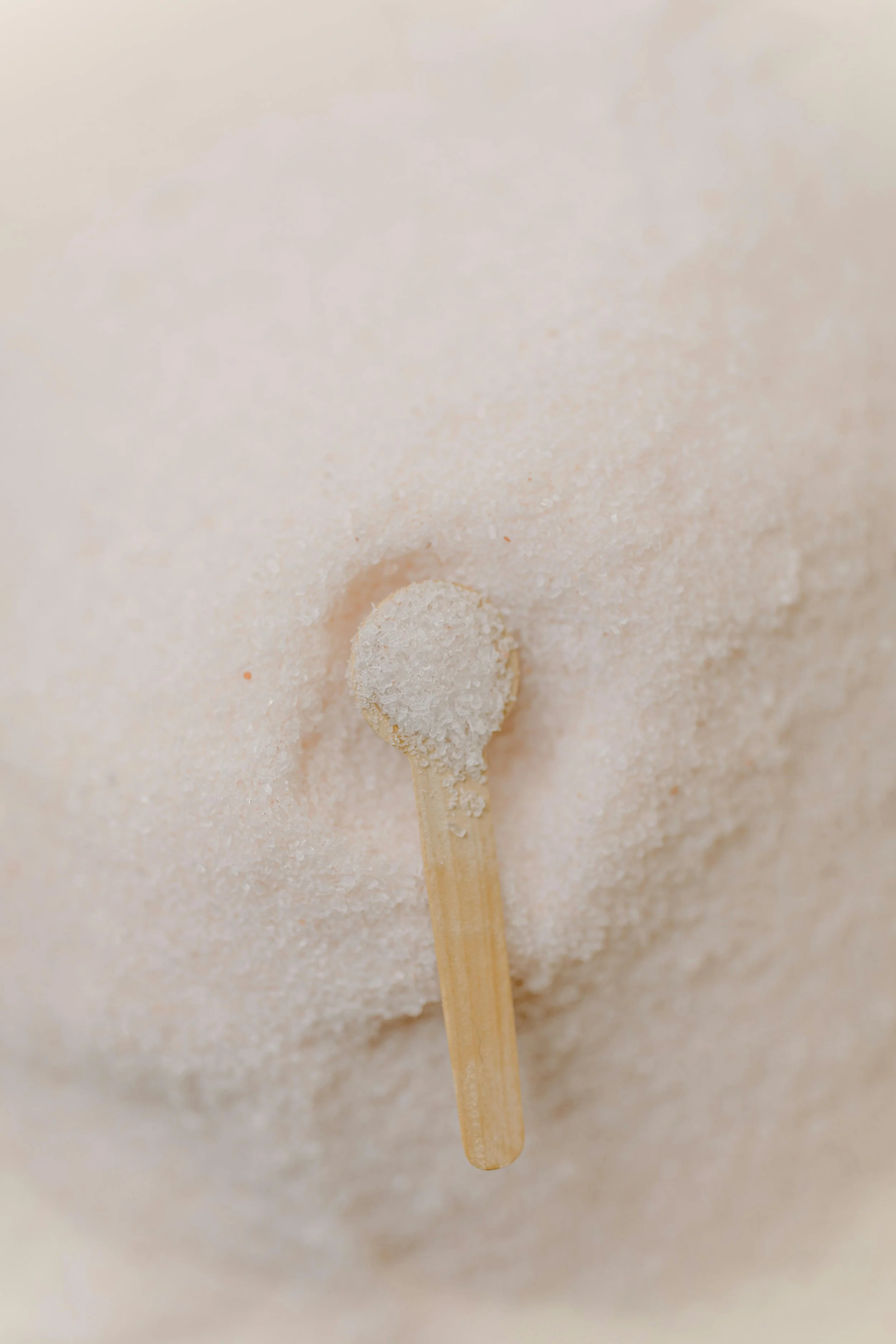
Himalayan sea salt by Tara Winstead.
Flavored Salts for Summer
There is a particular pleasure in finishing a meal with something made almost entirely from scraps.
Fancy salt, despite its appearance in boutique food shops and expensive pantry photographs, is remarkably easy to make at home. And unlike many so-called luxury ingredients, it genuinely transforms simple food. A pinch of lemon salt scattered over sliced tomatoes can wake them up entirely. Lavender salt on shortbread or buttered toast feels quietly extravagant. Even plain cucumber slices become more interesting when dusted with salt perfumed by herbs or citrus peel.
Like compound butter, flavored salts create the illusion of effort with very little actual work.
The method is less recipe than habit: combine flaky salt with something fragrant, spread it onto a plate or baking sheet, and allow it to dry for several hours or overnight. Once the moisture disappears, the salt keeps beautifully in jars and can be pinched onto nearly anything all summer long.
A few combinations especially suited to warmer weather:
Lemon zest and flaky salt for tomatoes, grilled vegetables, pasta, or melon
Rosemary and black pepper salt for roast potatoes or chicken
Lavender salt for buttered toast, sugar cookies, or peaches
Chili-lime salt for corn, watermelon, cucumbers, or frozen margaritas
Basil salt for tomato sandwiches and mozzarella
Orange zest and fennel salt for roasted carrots or pork
Smoked salt with crushed coriander for grilled vegetables or beans
The beauty of flavored salt lies partly in scale. One lemon can perfume an entire jar. A few sprigs of herbs rescued before wilting become something lasting rather than wasted. Even the smallest apartment kitchen begins to feel a bit more intentional with little jars lined near the stove.
There is also something emotionally satisfying about finishing humble meals with ceremony. Butter beans topped with basil salt. Grocery-store tomatoes treated as carefully as heirlooms. Popcorn showered with rosemary salt and eaten during the long blue stretch of evening when the heat finally begins to lift.
Summer, perhaps more than any other season, rewards small acts of embellishment.

An array of wines in glasses by Polina Kovaleva.
Frozen Rosé, Frozen Peaches, and Other Cold Drinks
Not every bottle of wine needs to be excellent on its own.
Summer is one of the few times when cheaper wine can actually work in your favor. A basic bottle of rosé blended with frozen strawberries, ice, and a squeeze of lemon suddenly becomes something festive enough to serve to friends on a hot evening. The same goes for inexpensive white wine blended with frozen peaches or nectarines. Once the fruit gets involved, the goal shifts from “good wine” to “cold, refreshing, and vaguely vacation-like.”
Frosé has survived for a reason: it’s genuinely good, requires almost no skill, and makes even an ordinary Tuesday night feel slightly more special.
The formula is simple. Freeze fruit ahead of time, then blend with wine, ice, and a little citrus. If the fruit is ripe enough, you often don’t even need sugar. A splash of sparkling water can lighten things up. Fresh mint or basil helps if you have it around, but isn’t necessary.
A few combinations worth trying:
Rosé, frozen strawberries, lemon juice
White wine, frozen peaches, lime juice
Rosé, watermelon, and mint
Sauvignon blanc, frozen pineapple, and basil
Sparkling wine with frozen cherries or berries
Part of the appeal here is that these drinks feel more intentional than they actually are. A $9 bottle of wine becomes the base for something you’d happily pay much more for at a restaurant patio.
And unlike many entertaining trends, this one genuinely works for real life: minimal prep, forgiving ingredients, and built for weather too hot to cook in.
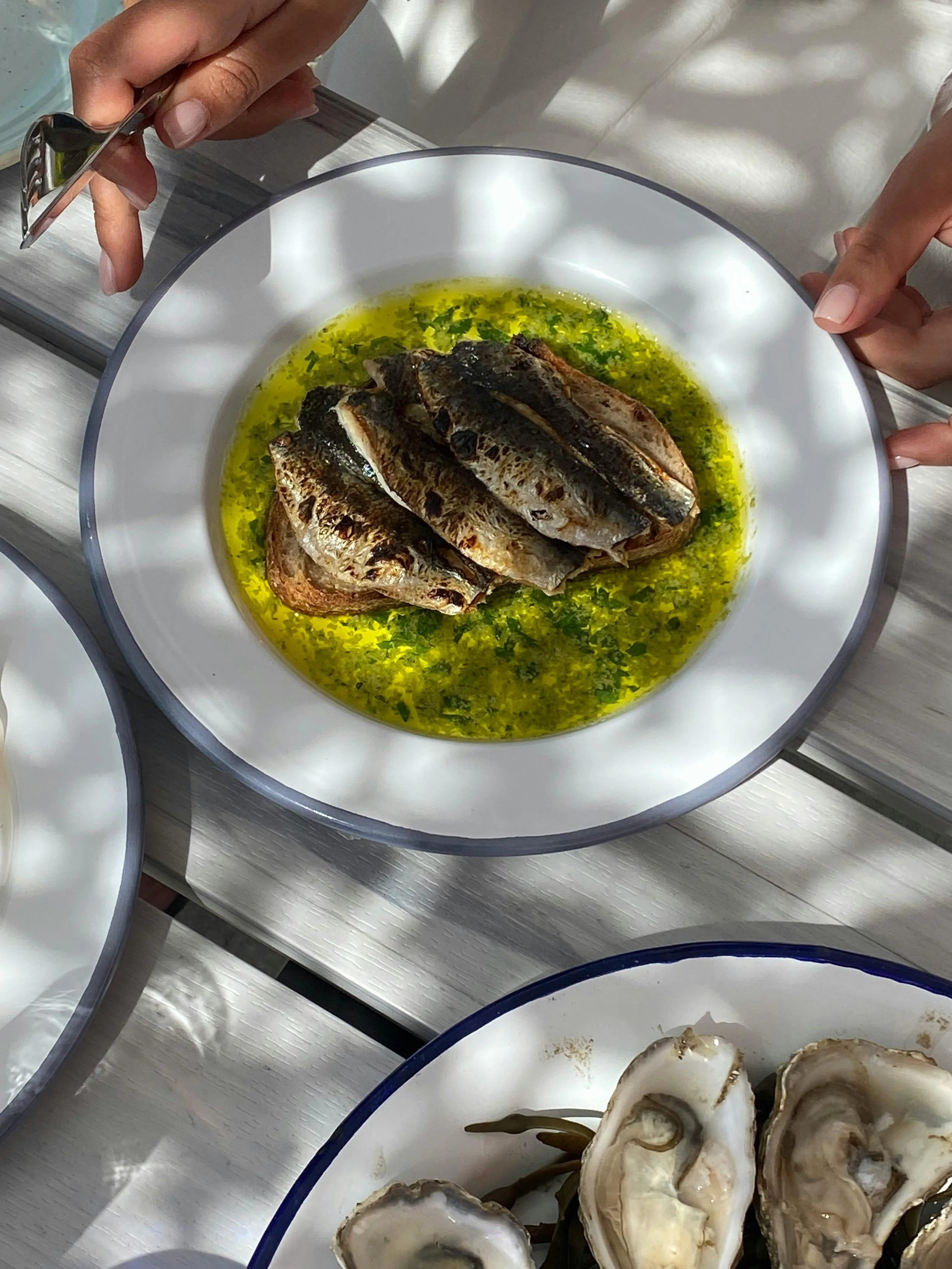
Tinned fish over toast by Polina Chistyakova.
Sardines, Anchovies, and Other Excellent Things in Tins
Tinned fish has become one of the smartest foods in the kitchen. Yes, there are now beautifully packaged sardines selling for the price of a small entrée, but good tinned fish does not need to be expensive to feel satisfying. Some of the best uses come from the dependable middle shelf: olive oil-packed sardines, smoked trout, anchovies, tuna, even basic canned salmon folded into something comforting and substantial.
Part of the appeal is practical. Tinned fish keeps for months, requires no cooking, and can turn pantry odds and ends into dinner surprisingly quickly. But it also offers something many inexpensive meals lack: richness. Salinity. Depth. A feeling that you are eating something more thoughtful than whatever happened to be nearby.
Anchovies melted into garlic and butter create a midnight pasta that tastes far more complex than the ingredient list suggests. Sardines on toast with lemon, herbs, and cracked pepper become lunch with almost no effort. Tuna melts remain one of the great economical comfort foods, especially with sharp cheddar and plenty of black pepper. A can of salmon stretched with breadcrumbs, lemon zest, and herbs turns into crisp salmon cakes that feel nostalgic in the best way.
A few easy summer uses worth keeping in rotation:
Sardines on toast with parsley, olive oil, and lemon
Anchovy butter melted into pasta with breadcrumbs
Tuna salad with celery, dill, and potato chips tucked inside
Smoked trout mixed into cream cheese for crackers or cucumbers
Salmon cakes with lemon and herbs
Canned cod folded into tomato sauce or chowder
White beans with olive oil, sardines, and herbs
Tinned fish boards with pickles, bread, soft butter, and radishes
There is also something pleasantly unfussy about tinned fish in summer. It belongs to the category of meals assembled rather than produced. Little heat. Little cleanup. Strong flavors that stand up well to hot weather and lazy evenings.
More importantly, it makes inexpensive eating feel generous instead of restrictive, which is perhaps the most useful kitchen skill of all.
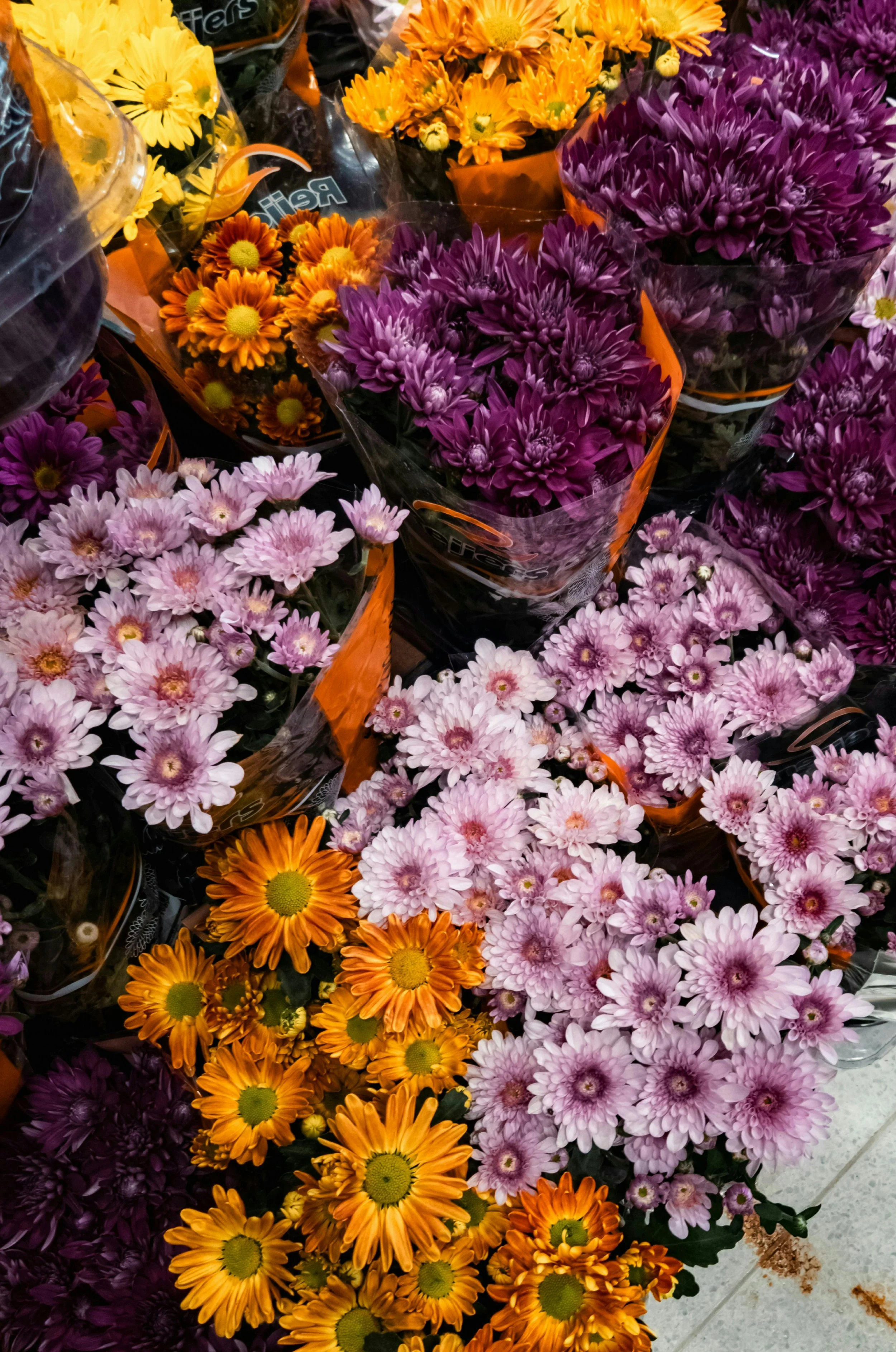
Chrysanthemum and daisies at the market.
Supermarket Flowers and Wildflower Seeds
Fresh flowers have lately become categorized as an unnecessary luxury, when historically they were often one of the simplest ways people brought life into a home.
A cheap grocery-store bouquet split between several small jars can change the mood of an entire room. Carnations last surprisingly long. Alstroemeria keeps opening for days. Even a single sunflower stem in a chipped pitcher can make a kitchen feel brighter and more awake during the long stretch of summer afternoons.
One bunch from the supermarket can become bedside flowers, bathroom flowers, kitchen-counter flowers, and something tucked beside the sink. Trader Joe’s bouquets mixed with clippings from the yard tend to look more charming than tightly arranged florist bouquets anyway. Summer rewards looseness.
And for people without gardens, a packet of wildflower seeds may be one of the cheapest luxuries available. Tossed into a container on an apartment patio, a sunny window box, or a neglected corner of a backyard, they offer something increasingly rare: low-stakes beauty. Zinnias, cosmos, nasturtiums, and calendula all grow enthusiastically through heat and imperfect conditions, producing armfuls of color from very little effort.
There is also something emotionally useful about growing flowers instead of only practical things. Not every inch of space needs to become optimized basil or productive tomatoes. Sometimes the value lies in brightness itself.
A few easy summer flowers worth considering:
Zinnias for bold color and endless cutting
Cosmos for airy height and movement
Nasturtiums for edible flowers and trailing vines
Calendula for cheerful orange and yellow blooms
Mint in pots for fragrance and small clipped arrangements
Supermarket carnations for long-lasting inexpensive bouquets
Eucalyptus mixed into grocery-store flowers for fullness
Summer has always been, at least partly, a visual season and small gestures of color go surprisingly far.
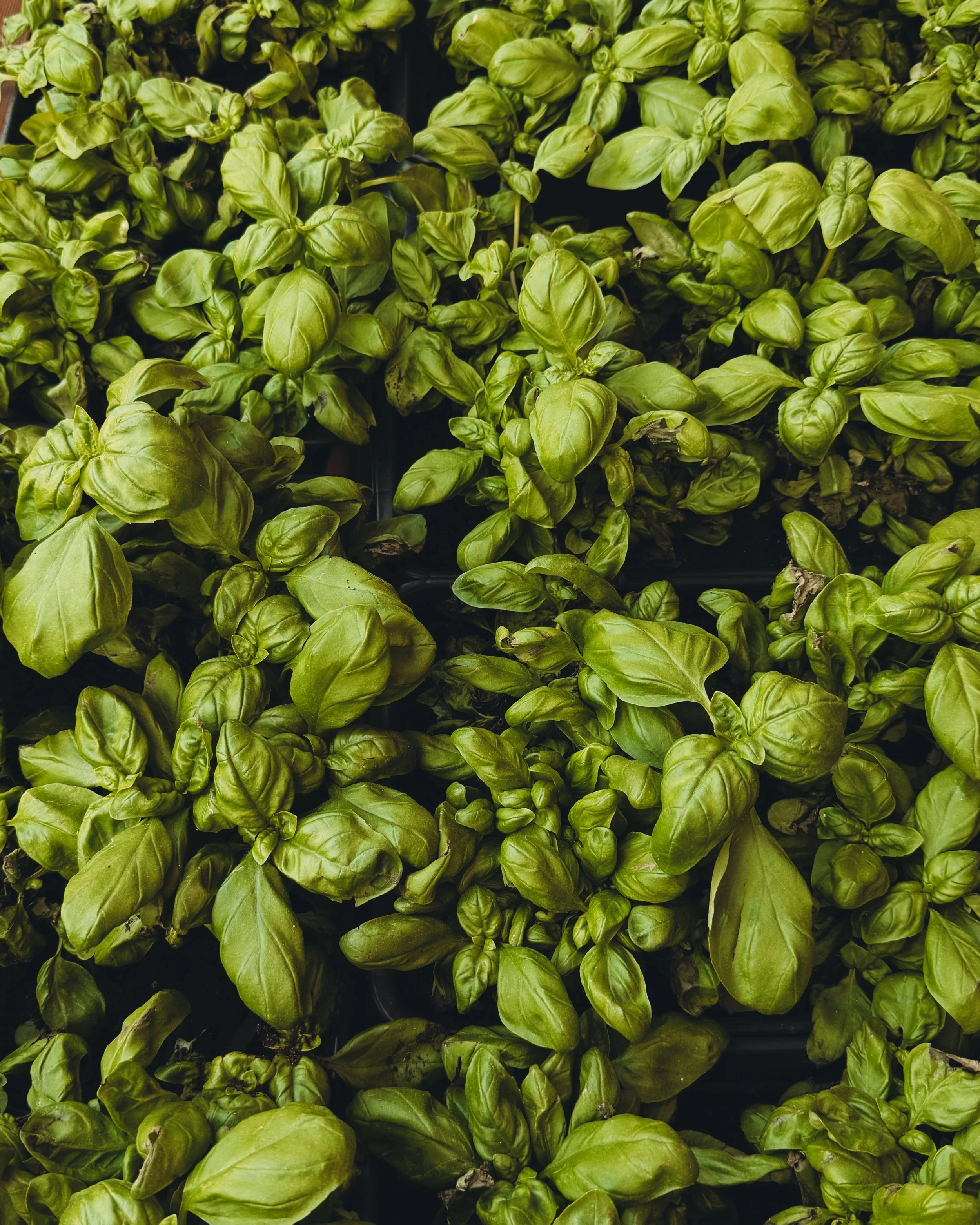
Closeup of sweet basil by Iryna Varanovich.
Basil, Soft Cheese, and the No-Cook Dinner
There are summer dinners that barely qualify as cooking, yet end up being the meals remembered most clearly later on.
A container of ricotta. A sleeve of crackers. Basil torn directly over the bowl with your hands because finding scissors or washing a cutting board feels like too much effort in the heat. Tomatoes salted heavily enough to start releasing juice into the plate.
The useful thing about basil is that it makes almost anything taste intentional. Folded into cottage cheese with black pepper. Scattered over cream cheese on toast. Added to a grocery-store rotisserie chicken alongside lemon and olive oil. Suddenly lunch feels less assembled out of necessity and more assembled on purpose.
No-cook dinners tend to work best when they lean cold, salty, creamy, and bright:
Ricotta with basil and tomatoes.
Goat cheese with peaches and cracked pepper.
Crackers with smoked trout and cucumbers.
Mozzarella with nectarines and olive oil.
Cottage cheese with herbs and everything bagel seasoning eaten directly from the bowl while standing at the counter.
Not every summer meal needs to strive for beauty or novelty. Sometimes the luxury is simply avoiding the stove entirely.
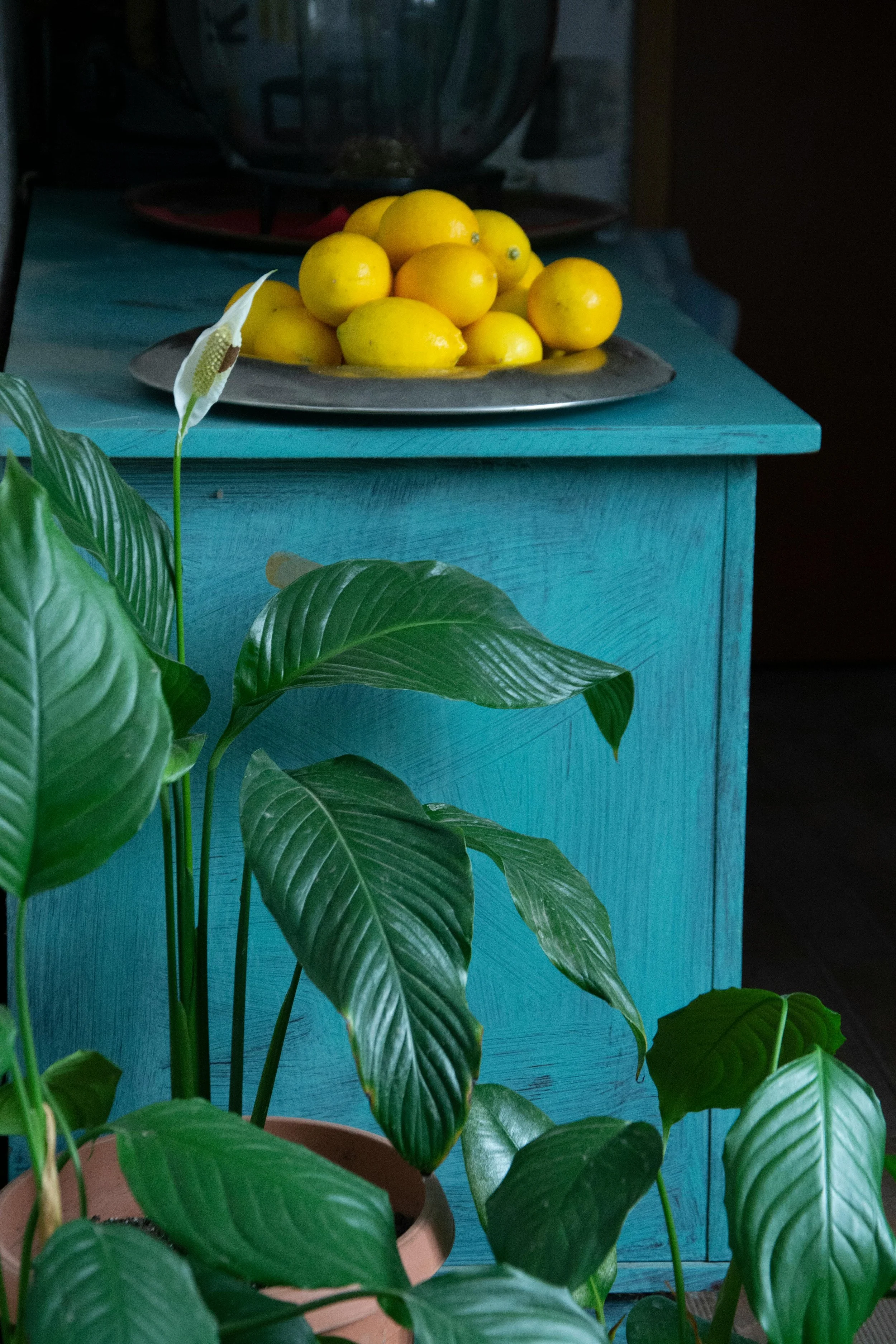
Lemons and calla lilly by Eko Tavkhelidze.
Lemons in Nearly Everything
There is usually a bowl of lemons somewhere in summer, even in homes where nobody is entirely sure why they bought so many.
One gets sliced into water. Another disappears into salad dressing. Half of one gets squeezed over takeout. Someone buys a bag for a specific recipe and suddenly there are eight lemons rolling around the kitchen for the next two weeks, slowly becoming part of everything.
A lemon can rescue food that feels flat, heavy, or tired from heat. Buttered noodles become dinner with enough black pepper and lemon juice. Grocery-store chicken tastes fresher with charred lemon halves squeezed over the top. White beans, sardines, olive oil, herbs, parmesan, all improved immediately. Even cold water feels slightly more considered with floating citrus slices and too much ice.
The best summer lemon meals are often aggressively simple:
Lemon pasta with butter, capers, and parmesan
Rotisserie chicken dressed up with a sprinkle of lemon and herbs
Toast with ricotta, lemon zest, and flaky salt
Olive oil, lemon juice, and cucumbers over cold white beans
Pan-roasted chicken thighs with lemon slices tucked underneath
Sparkling water with lemon and mint in a pitcher sweating onto the table
There is something appealingly old-school about lemons. They belong to an era of cooking built around brightening what you already had instead of endlessly buying more ingredients. A single lemon can carry several meals across multiple days without feeling repetitive.
Which may be why summer kitchens always seem to drift back toward them eventually.