

Featured this Summer
Literature
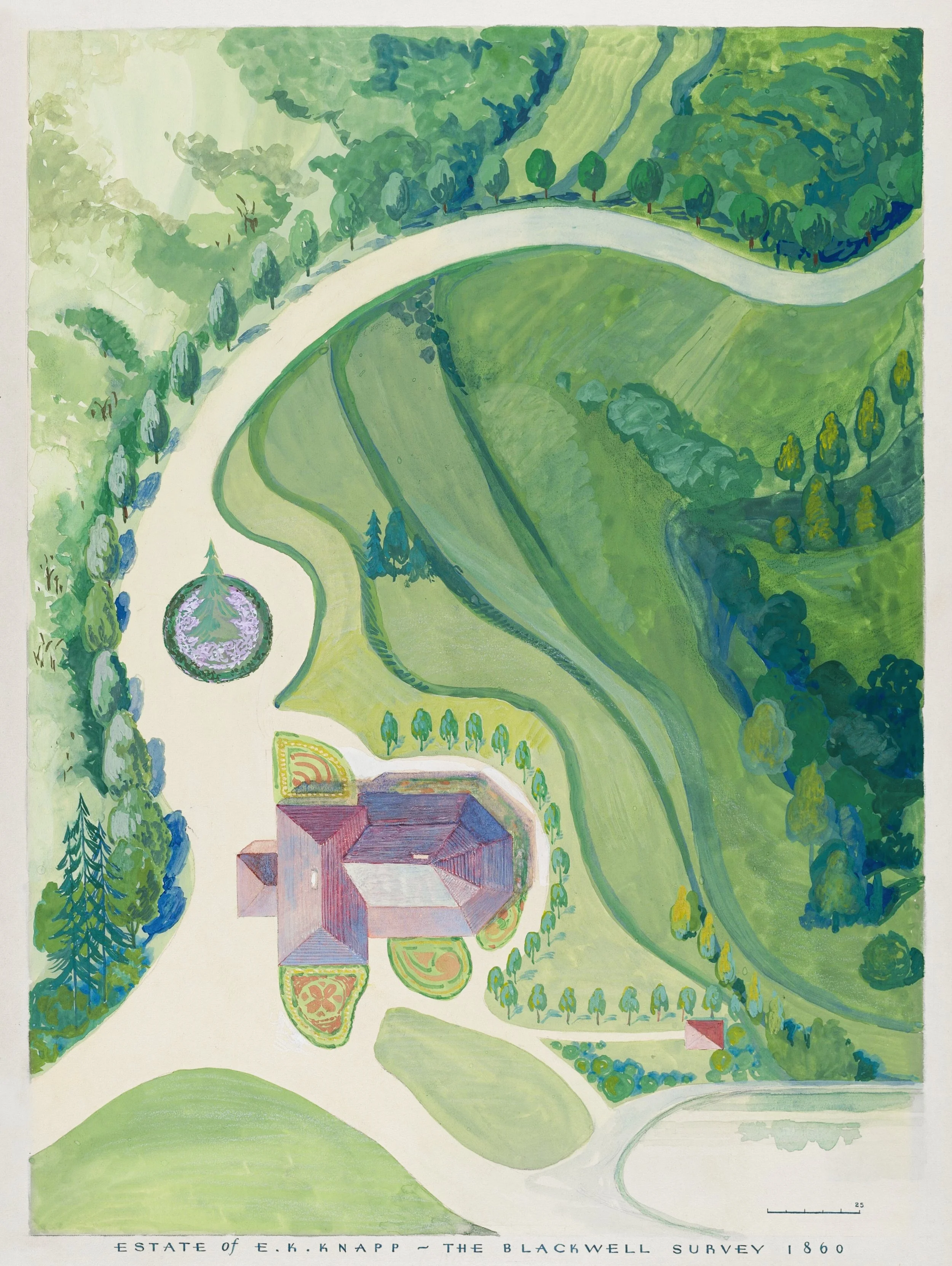





First published in 1905, Willa Cather's The Garden Lodge is a contemplative tale of music, memory, and the dreams that linger just beyond daily life. Set amid the gardens and shaded pathways of a country estate, the story is filled with the beauty of summer and the charm of a garden retreat, inviting readers to slow down and savor a fleeting moment of inspiration.
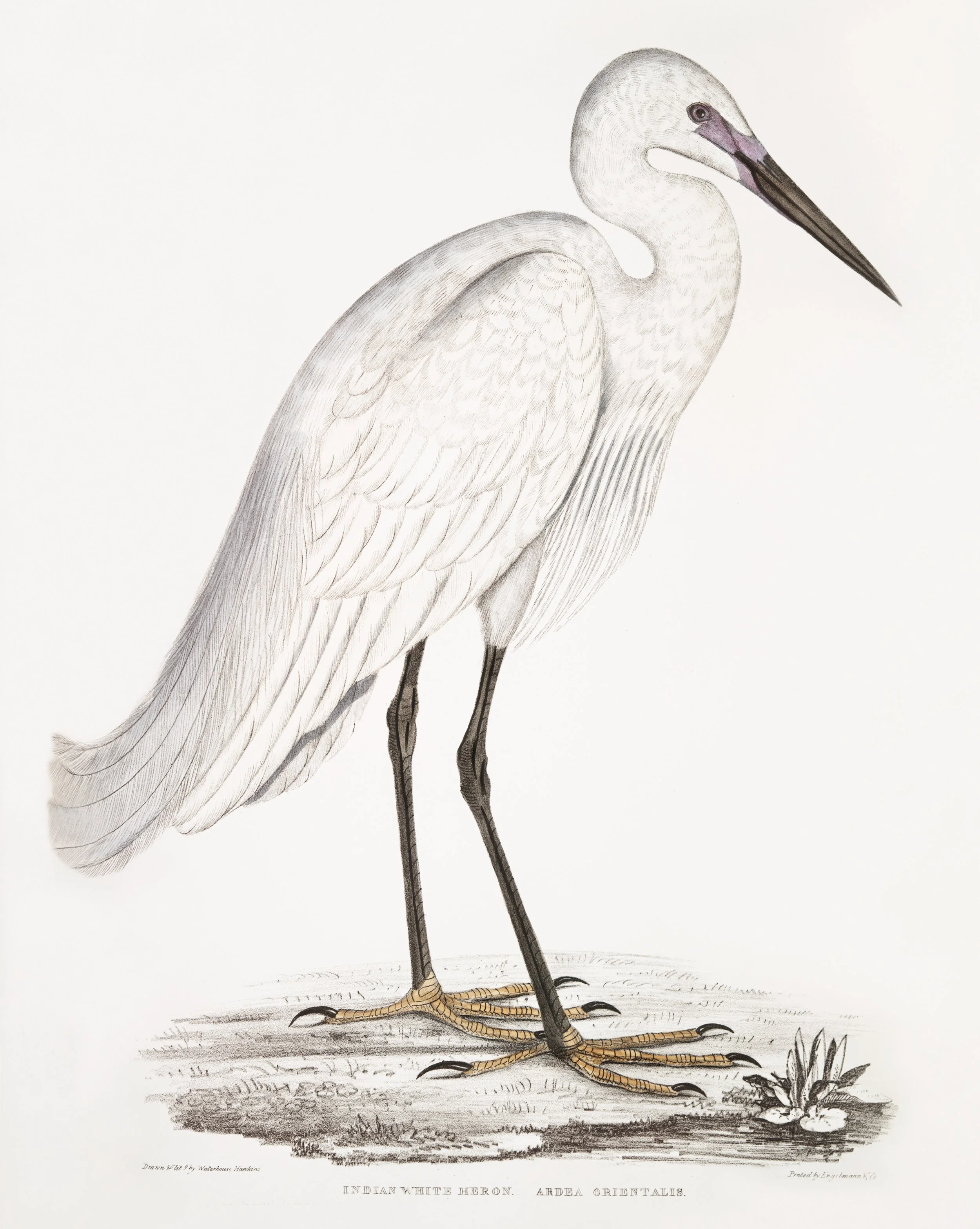
A gentle classic of American writing tells the story of a young girl living in the New England countryside who encounters a rare bird and an unexpected moral choice. Filled with summer woods, wildflowers, and birdsong, Sarah Orne Jewett's 1886 tale captures the beauty of the natural world and the deep connection between people and place.
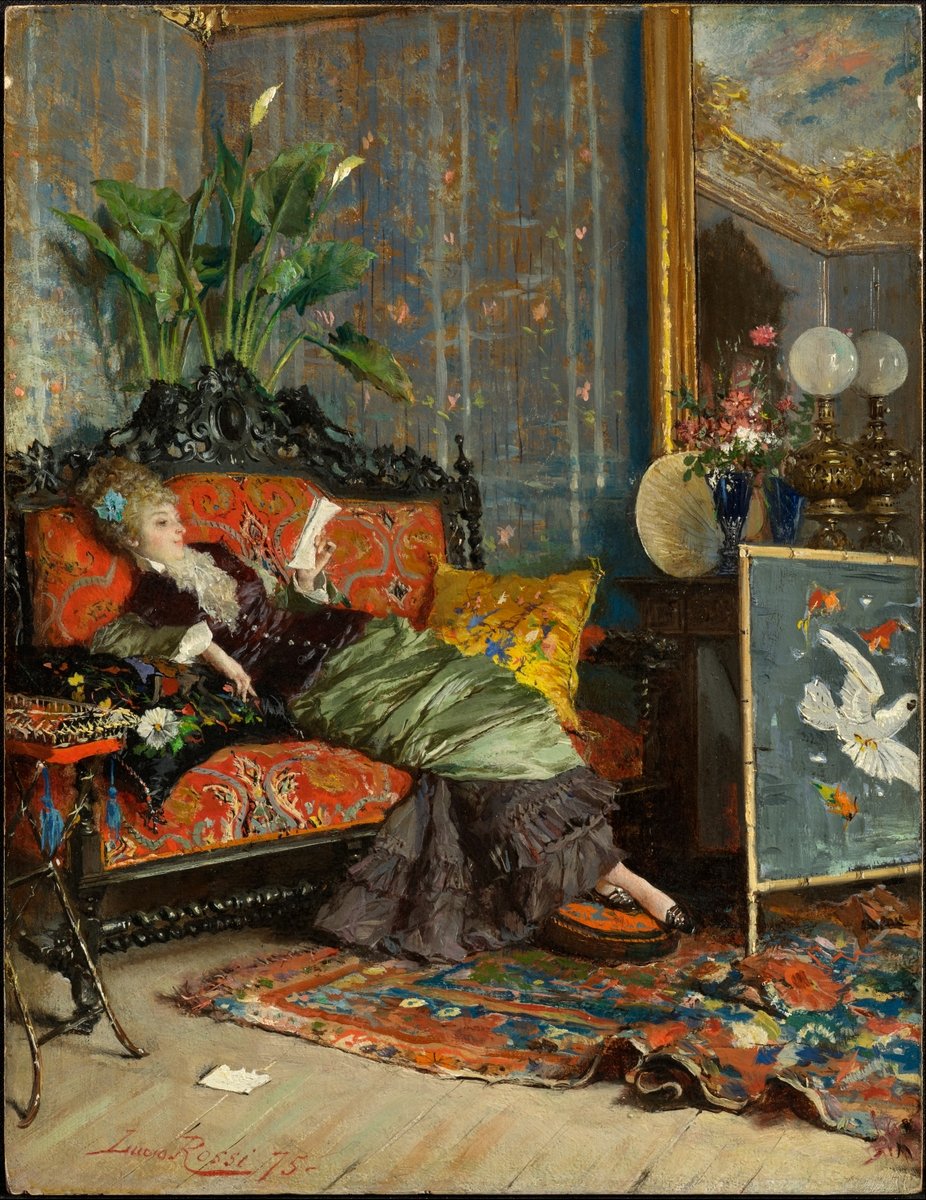
In this winking confection of fantasy and satire, Théophile Gautier drapes libertine nostalgia in silk and shadow, conjuring a tale where tapestry becomes temptress and the past refuses to stay framed. Beneath the powdered frivolity lies a meditation on art, desire, and the dangers of sleeping too close to beauty.
A delirious crescendo of Victorian adventure, this chapter finds scientific skepticism collapsing under the weight of living prehistory, where pterodactyls circle like omens and the jungle teems with impossible life. What begins as a quest for proof turns into something stranger—a revelation that the world’s deepest secrets may lie not in fossils, but in the unguarded awe of those who behold them.
A fevered tale of possession and memory, where the past seeps through stone and moonlight to ensnare the present in its perfumed grasp. In Tagore’s hands, haunting becomes less a rupture than a slow, silken dissolution of identity, seducing the rational mind into the timeless architecture of desire and loss.
In The Encantadas, Melville charts the Galápagos not as paradise, but as a scorched, godless archipelago where time stagnates and morality decays. The sketches drift between travelogue and metaphysical lament, revealing a world where human vanity erodes against volcanic stone, and the sublime is as indifferent as it is infinite.
Set aboard the steamboat Fall of Rome during a lively excursion, the story captures the absurdities of social posturing, class dynamics, and familial tensions through the misadventures of Mrs. Tuttle, her ostentatious pet parrot, and a cast of vividly drawn townsfolk.
Theocritus is interested in the magic of the island rather than in the mystery of the many-sounding sea, and to him the familiar look of things is never edged like a photograph; it is as solid and real as a report of the Department of Agriculture, but a mist of poetry is spread over it, in which, as in a Whistler nocturne, many details harmonize in a landscape at once actual and visionary.