


Literature

Driven by curiosity and built on purpose, this is where bold thinking meets thoughtful execution. Let’s create something meaningful together.

Featured this Summer




Categories
The Rider of the Black Horse
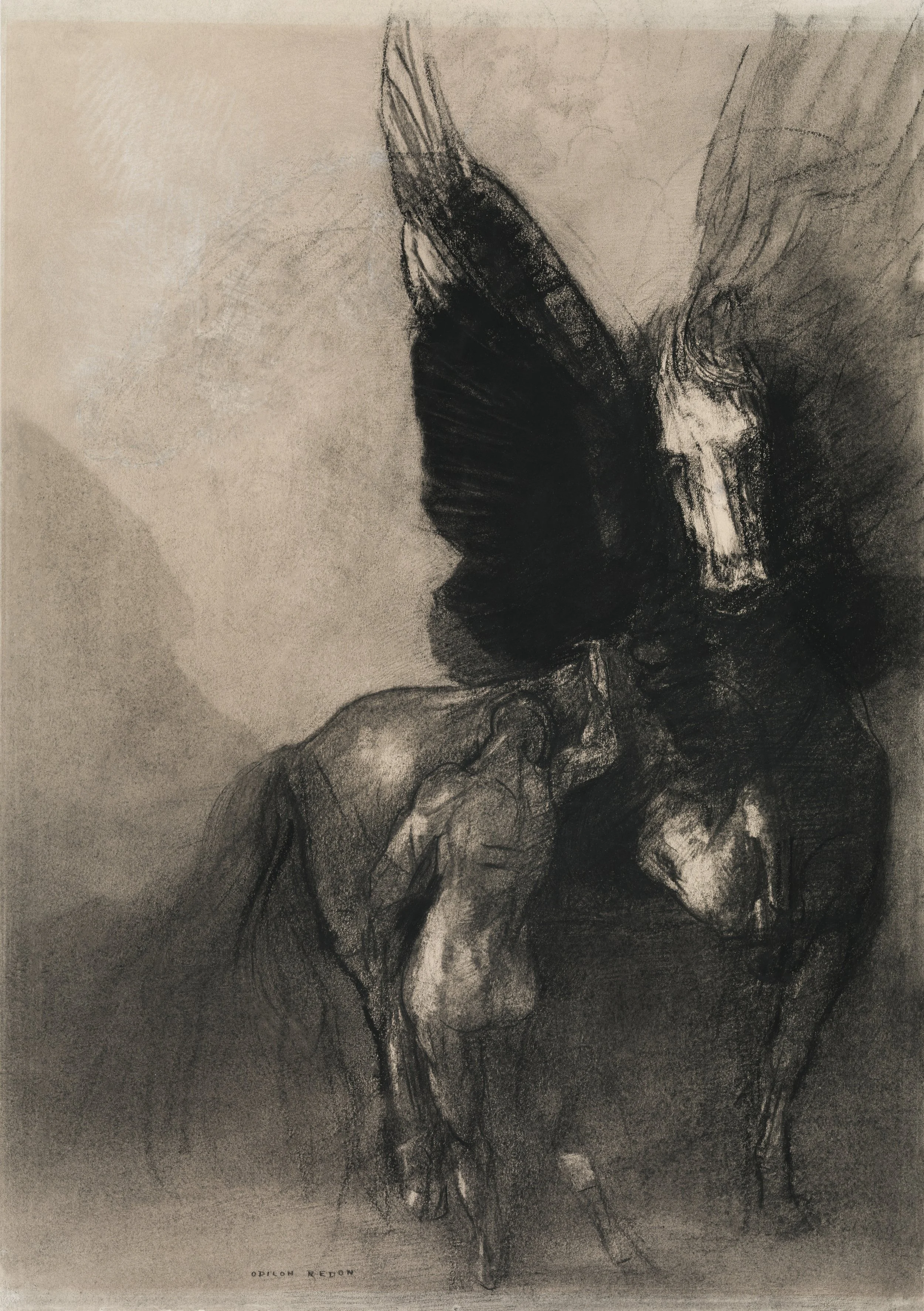
In Lippard’s feverish, apocalyptic vision of Revolutionary America, the Black Horseman rides not merely as courier but as omen—his midnight gallop through storm and battle summoning the specter of a nation both birthed and haunted by violence. At once allegory and gothic spectacle, the tale gallops headlong into the sublime terror of liberty forged in blood.

Clay
In Clay, James Joyce compresses a life’s quiet desolation into a single evening, where small kindnesses, awkward silences, and a forgotten song trace the outline of a woman long faded into habit and half-regarded charity. The story haunts not with tragedy, but with the muffled weight of things unsaid, and the soft, persistent erosion of time.

A Little Cloud
A chance reunion stirs something restless in Little Chandler, whose quiet life begins to feel suddenly—and permanently—too small. In Joyce’s hands, domesticity and ambition clash not in crisis, but in quiet humiliations, where the poetry remains unwritten and the baby’s cry drowns out the last note of hope.

Young Goodman Brown
Beneath the trembling pines and flickering torches of Hawthorne’s dark forest, a young man’s night journey becomes a grim initiation into the duplicity of the human soul. What he returns with is not proof of sin or innocence, but something crueler: the inability to trust either again.
One Autumn Night
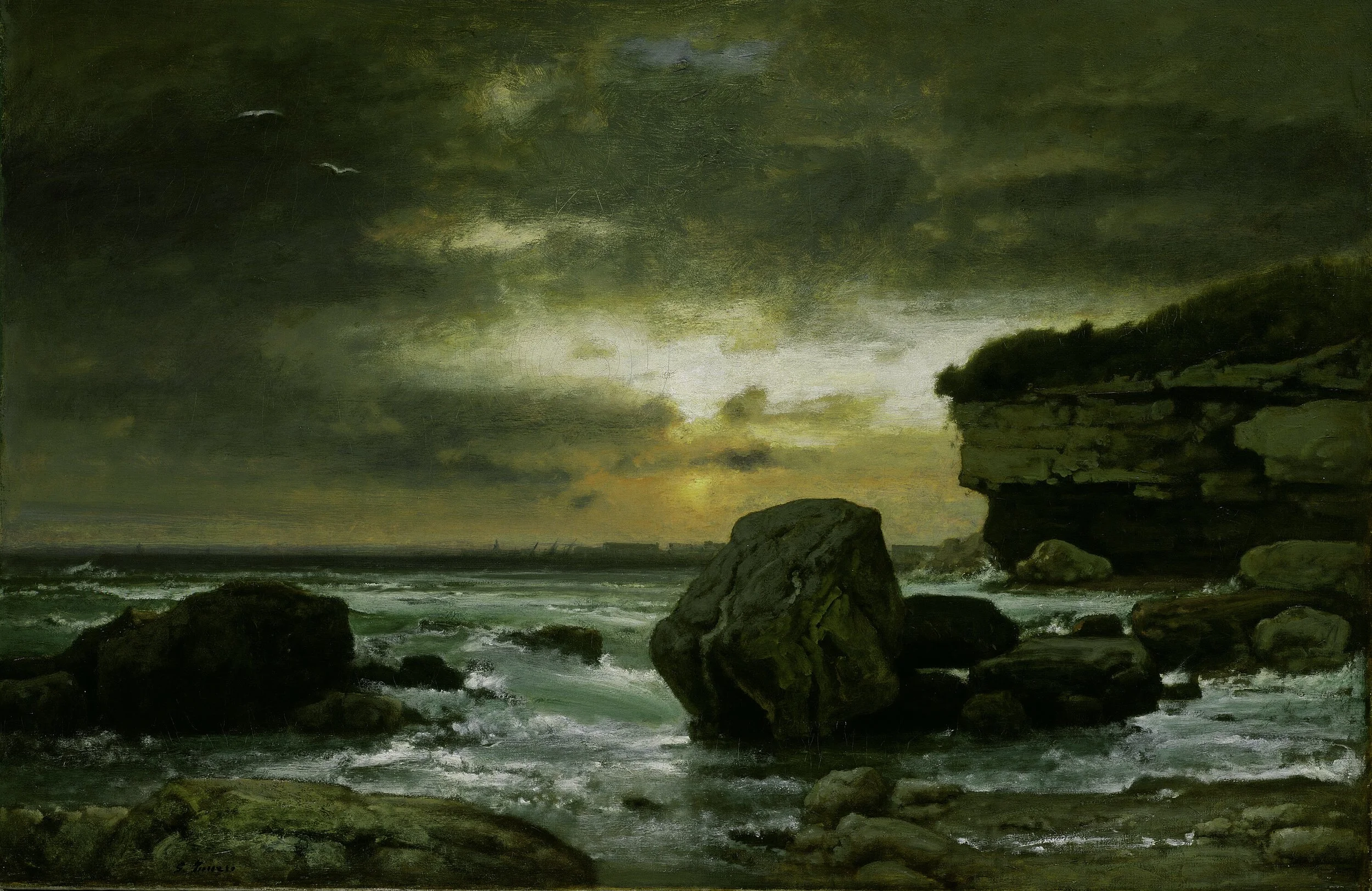
In a sodden corner of the city’s edge, Gorky stages a night not of salvation, but of fleeting human warmth—where two outcasts share a crust of bread, a sliver of comfort, and the unbearable weight of knowing how little separates pity from grace. The story never pleads for sympathy, yet leaves its mark like rain soaking through a thin coat: slowly, deeply, and with a chill that lingers long after morning.
The Walls Are Falling
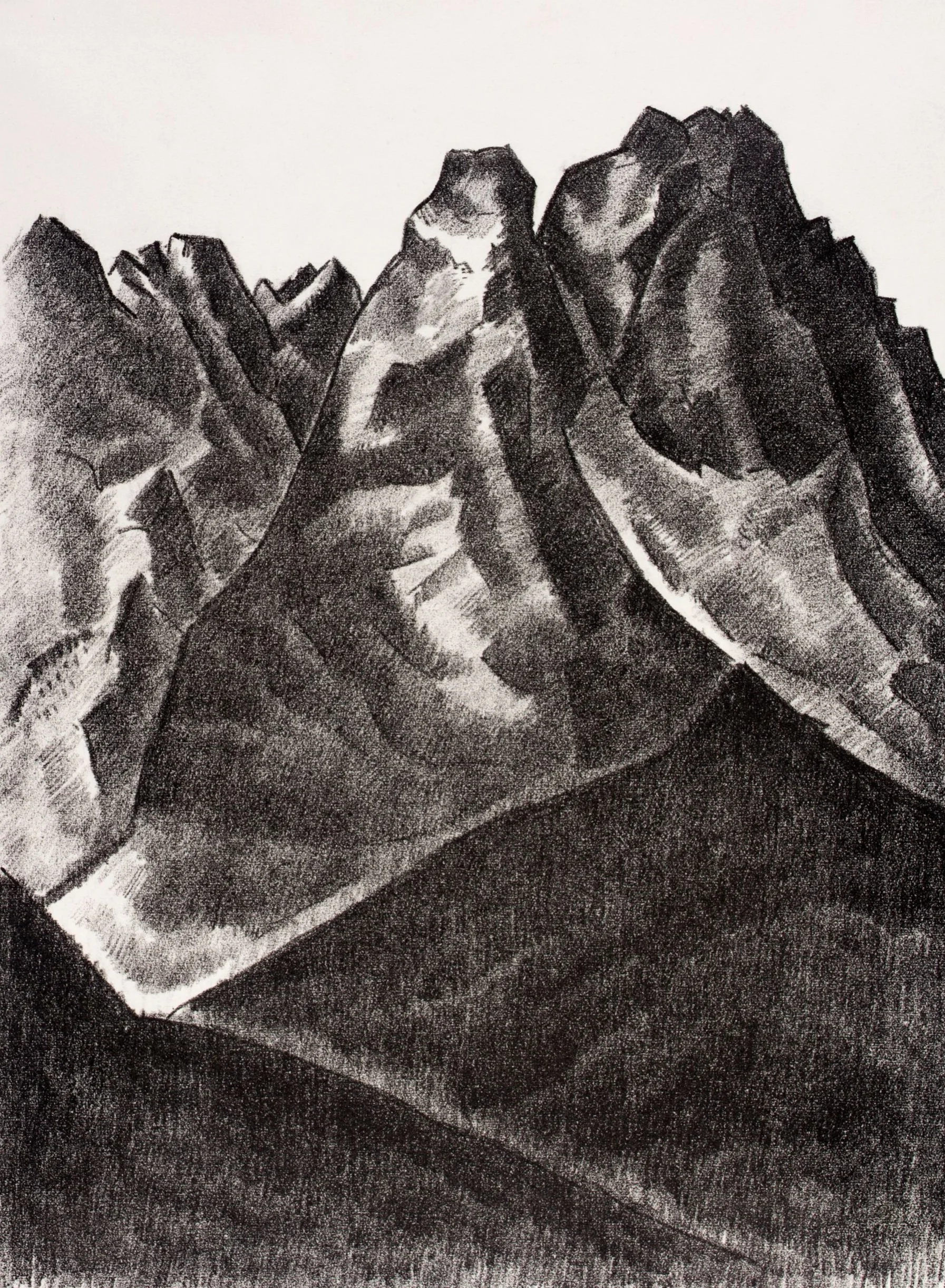
A cold revolutionary finds himself, in his final hours, not embittered but transfigured—liberated from fear, weariness, and contempt as death draws near. In one of Andreyv’s most luminous psychological portraits, walls dissolve, time loosens, and the soul expands toward a terrible and tender clarity, where even the doomed become radiant with love.

A New England Nun
Louisa Ellis has spent fourteen quiet years tending to her home, her habits, and her solitude, an order so finely calibrated that even the clink of a suitor's teacup feels like a trespass. Wilkins crafts a story as crisp and deliberate as Louisa’s routines, where renunciation is not sacrifice but a subtle, radical act of self-preservation.